
Mon–Fri 7 am–6 pm, Sat 7 am–12 pm, Sun closed
Grass growth changes with temperature, rainfall, heat, and seasonal stress. R and R Landscaping and Design provides lawn care services in Palatine, IL, including mowing, fertilization, seasonal cleanup, and recurring turf maintenance matched to your lawn’s condition.
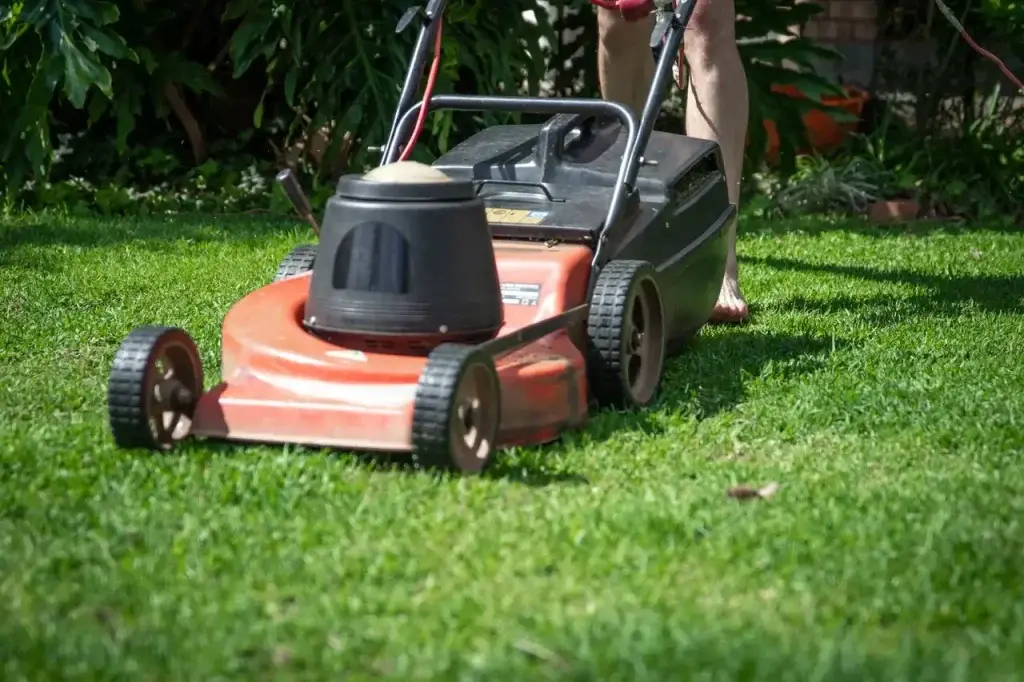
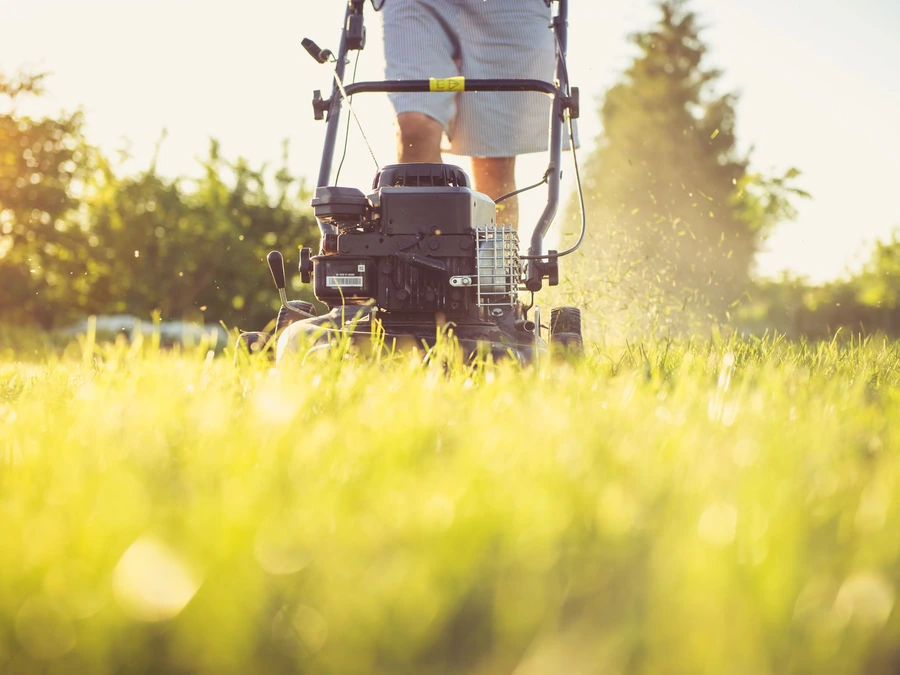
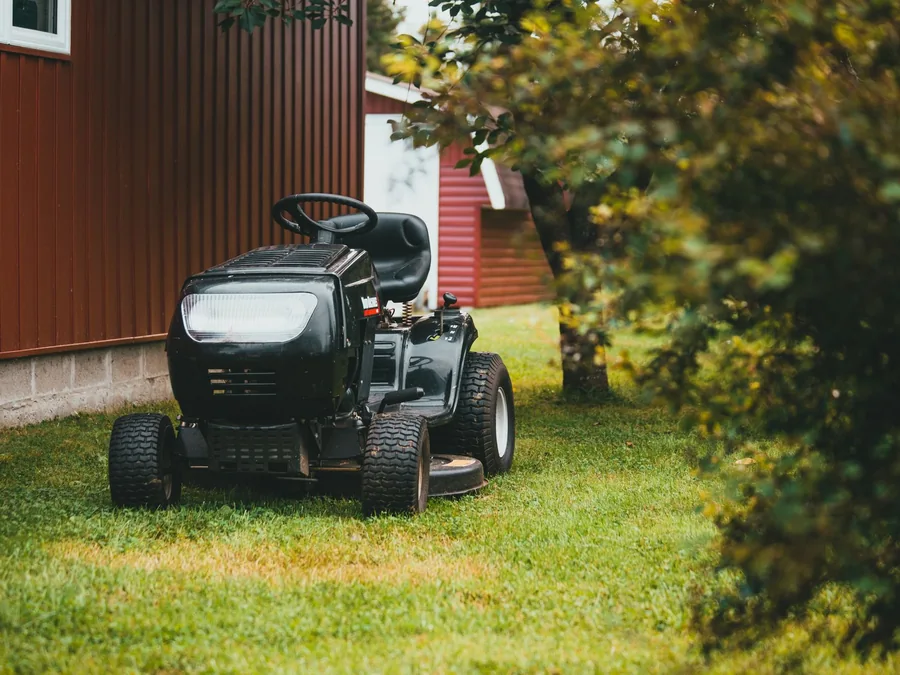
An established lawn needs different attention as it grows through the season. Mowing manages grass height and density, fertilization supports active turf, and seasonal cleanup removes leaves and debris that interfere with routine maintenance or conceal thinning areas.
Palatine lawns also move through distinct spring, summer, and fall conditions. Northern Illinois cool-season turf grows actively during cooler periods. It slows under summer heat, so mowing frequency, fertility, cleanup, and recovery work should respond to the grass rather than follow one unchanged routine. Our landscaping services can also handle broader grading, drainage, planting, and yard-improvement needs.
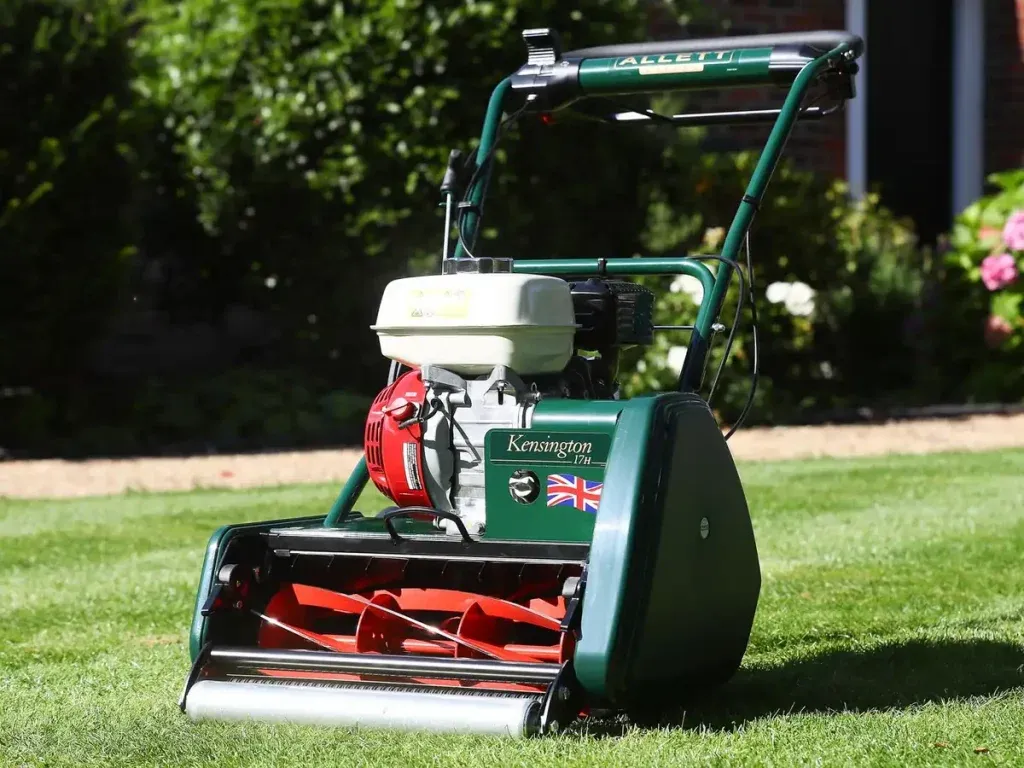
Our lawn care services in Palatine, IL cover the recurring work an established lawn needs to remain manageable through the growing season. Instead of treating mowing as the entire service, maintenance also considers turf density, growth rate, visible stress, seasonal debris, fertility needs, and areas where grass is beginning to thin. Where seasonal cleanup also exposes planting beds that need fresh material, mulch installation services address the bed separately from the turf.
Regular mowing keeps established turf at a manageable height while preventing excessive growth from turning each cut into a severe reduction of the grass blade.
We maintain grass at a height appropriate for the turf, rather than repeatedly scalping it for an artificially short appearance that leaves the lawn under unnecessary stress.
Fertilization supports turf growth, density, color, and recovery when nutrients are applied based on seasonal demand rather than simply pushing rapid top growth.
Changes in density, color, growth rate, bare patches, and visible stress help show whether the lawn is responding to routine maintenance or developing a larger problem.
Leaves, sticks, accumulated debris, and other material are cleared from turf areas so mowing can continue properly and covered or thinning grass becomes easier to identify.
As grass returns to active growth, mowing and general maintenance shift toward controlling faster turf growth and identifying areas that came out of winter thin, matted, or damaged.
Hotter conditions can slow cool-season grass significantly. Lawn service during this period should respond to reduced growth and visible stress rather than forcing the same mowing pace used during spring.
Fall maintenance concentrates on continued mowing as needed, seasonal debris removal, turf-condition review, and fertility decisions that support cool-season grass recovery before winter.
We monitor sparse sections to determine whether established grass can recover through maintenance or whether the area has declined enough to justify reseeding or new sod.
A lawn should not receive identical treatment simply because another week has passed. R and R Landscaping and Design considers how quickly grass is growing, whether coverage remains dense, where stress is appearing, and how the season is changing before determining the appropriate mowing, fertilization, cleanup, or recovery priority.
Mowing frequency follows actual grass growth. Fast-growing spring turf may need closer attention, while heat-stressed summer grass can require a different maintenance rhythm.
Fertilizer supports turf growth and recovery where appropriate, rather than serving as a cosmetic shortcut for every yellow, thin, or stressed lawn.
Thin shade areas, scattered bare patches, summer discoloration, and widespread weak growth can point to different problems, so the visible symptom matters when deciding what happens next.
We determine whether the lawn needs routine mowing, fertilization, seasonal cleanup, continued monitoring, or a different service when established turf stops responding to normal maintenance.
Not every struggling lawn needs replacement. Routine care is appropriate when enough established turf remains to respond to mowing, fertility, and seasonal recovery. Re-establishment becomes more relevant when large bare areas, failed grass coverage, unsuitable ground conditions, or repeated turf loss leave too little healthy lawn to maintain. Where established turf is no longer recoverable through normal upkeep, sod installation services provide a different solution by creating new turf coverage after the required site preparation.
Turf Condition
Routine Lawn Care
Lawn Re-Establishment
Existing Coverage
Mostly Established Grass
Large Thin Or Bare Areas
Primary Objective
Maintain Turf Condition
Restore Grass Coverage
Mowing Role
Ongoing Maintenance
Begins After Establishment
Ground Preparation
Usually Limited
Often Required First
Typical Direction
Continue Lawn Upkeep
Evaluate Seed Or Sod
Recurring maintenance works as a feedback cycle rather than a one-time project. Within our lawn care services in Palatine, IL, turf condition informs the first visit, routine work manages current growth, and later visits reveal whether density, color, bare areas, and seasonal stress are changing.
Growth rate, grass density, thin areas, debris, shade, discoloration, and visible stress establish what deserves attention during current lawn maintenance.
Select the mowing height to maintain usable leaf growth instead of repeatedly cutting the lawn down to an unnecessarily short surface.
Grass is cut as growth requires, with mowing frequency adjusted when spring growth accelerates, or summer conditions slow the turf down.
We apply fertilization around appropriate seasonal turf needs, supporting growth and recovery without treating every part of the year as equivalent.
Recurring visits make changes easier to see, including improving density, persistent thinning, seasonal stress, or areas that need repair rather than continued routine care.
Pro Tip: The right lawn-care decision often depends on the grass response, not just appearance. Mowing height, seasonal growth, heat stress, fertility timing, and remaining turf coverage all affect whether an established lawn needs maintenance, recovery work, or re-establishment.
Illinois Extension suggests roughly 2½ to 3 inches for many home lawns, with recommended height varying by turf species. Kentucky bluegrass and perennial ryegrass commonly fall around 2 to 3 inches, while tall fescue can be maintained somewhat higher. Repeatedly mowing too short can weaken turf and favor weeds.
Mowing frequency should follow grass growth rather than a rigid weekly interval. Illinois Extension recommends avoiding removal of more than about one-third of the grass blade in a single cut. Spring growth may therefore require more frequent mowing, while hot summer conditions can slow cool-season turf considerably.
Late summer into early fall is especially important for cool-season lawn fertilization. Illinois Extension identifies August as the preferred late-summer fertilization period for Northern Illinois and places late-season applications around late October to early November. Fertilizer schedules should still reflect lawn condition and desired turf density.
Cool-season turf can slow dramatically or enter dormancy during extended hot, dry conditions. Dormant grass becomes off-color because active growth has stopped, but that does not automatically mean the turf is dead. Illinois Extension notes that lawns commonly resume active growth when favorable moisture and temperature conditions return.
Routine care remains reasonable when enough established grass survives to regain density through seasonal growth and maintenance. Large bare sections, repeated establishment failure, severe site problems, or turf that consistently fails to recover may justify soil preparation, reseeding, or sod installation services instead. Northern Illinois seeding is generally best from early August into early September.
Completed lawn-care work should look like more than freshly cut grass. Look at consistent mowing height, turf coverage, cleaner growth, reduced seasonal debris, fewer neglected patches, and whether stressed sections regain density as growing conditions improve.
Routine lawn care cannot correct every property condition. Drainage, grade, failed turf establishment, or maintenance needs beyond the lawn may require a different service before recurring mowing and fertilization can deliver a stable result.
Use our landscape maintenance services when recurring upkeep extends beyond grass into planting beds and other maintained landscape areas.
Choose sod installation services when substantial turf loss requires establishing new grass instead of continuing to maintain weak existing coverage.
Use mulch installation services when adjoining beds need fresh cover, defined surfaces, and separate maintenance from the turf itself.
Show R and R Landscaping and Design when grass grows unevenly, thins, accumulates debris, or loses density throughout the season. We can match mowing, fertilization, cleanup, and recurring maintenance to your lawn’s condition.