
Mon–Fri 7 am–6 pm, Sat 7 am–12 pm, Sun closed
If part of your lawn stays soft, muddy, or covered with standing water after the rest of the yard has dried, the area is not draining normally. Yard drainage services in Palatine, IL correct recurring wet areas so lawn, side yards, and backyard spaces become usable again.
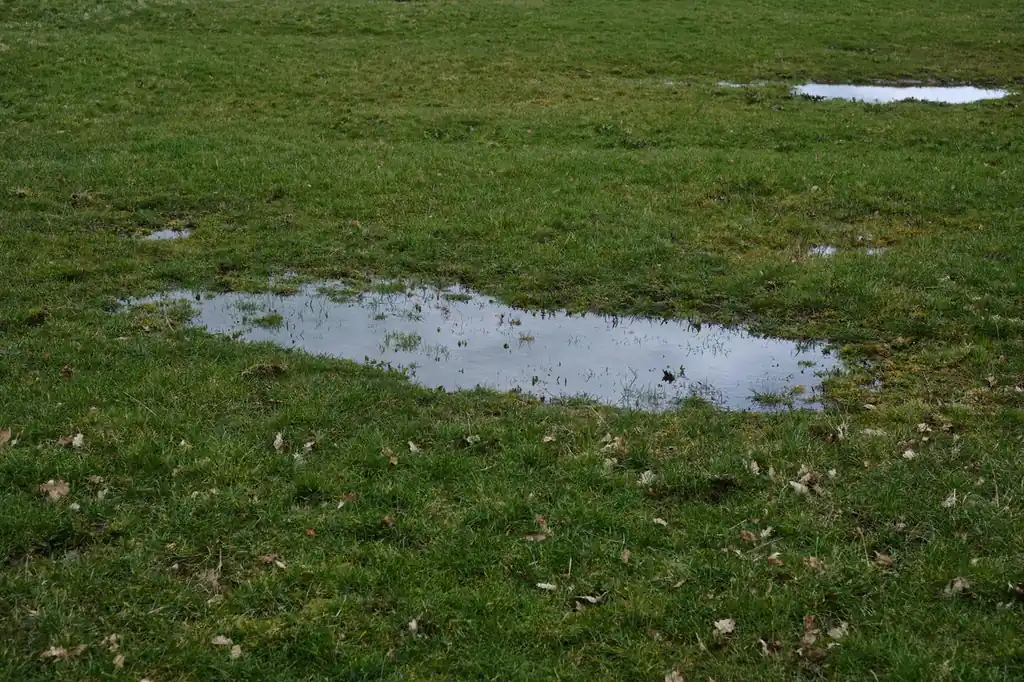
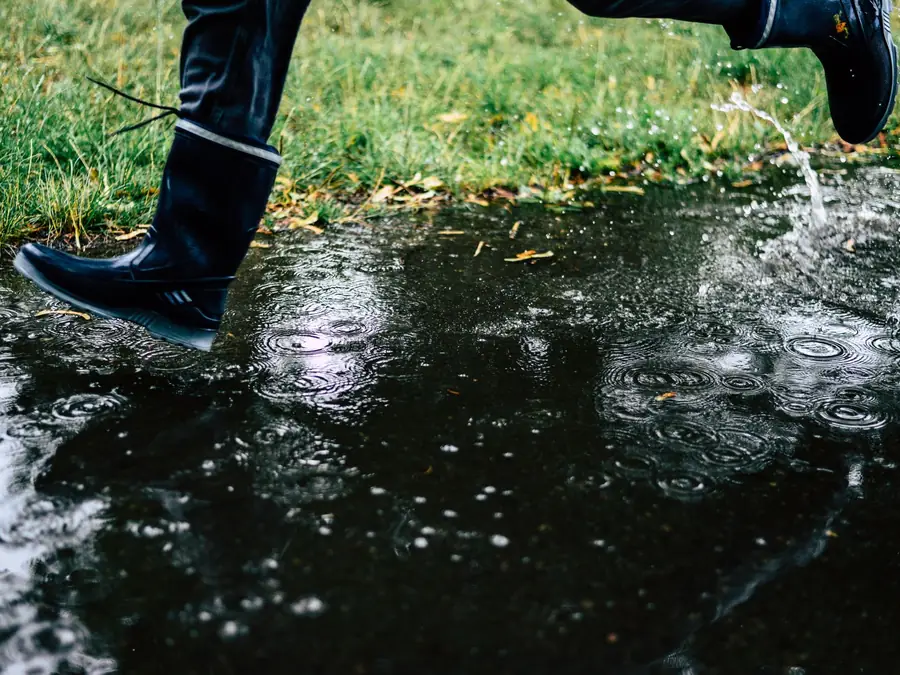
Yard drainage work focuses on lawn and landscape areas that repeatedly hold water, stay soft underfoot, develop mud, or lose turf. The affected area may be a backyard depression, side yard, drainage swale, foundation strip, or lawn beside hardscape.
The goal is not simply to remove one puddle. Incoming runoff, soil saturation, grade, and the available outlet need to work together so the repaired area dries without transferring the same water into another part of the property.
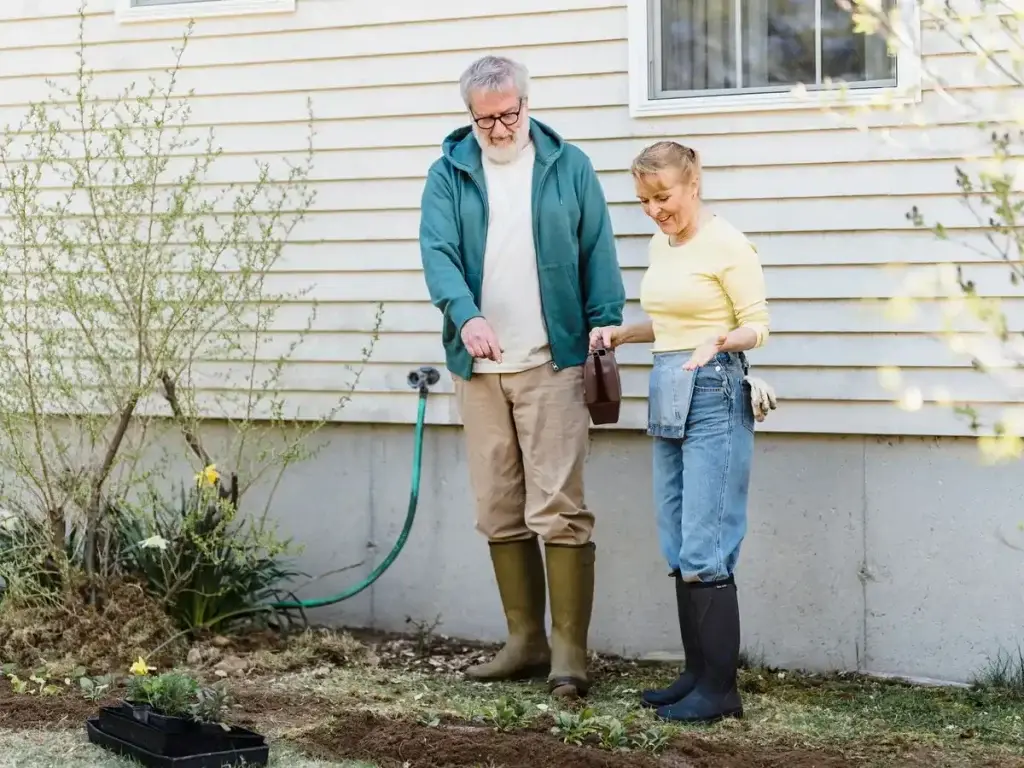
Persistent moisture rarely affects every square foot equally. One corner stays soft, a side yard becomes muddy, or water repeatedly collects beside a patio while nearby grass dries normally. The location and shape of that wet footprint reveal how the yard is holding or receiving water.
A broad backyard depression can remain wet after surrounding grass dries. Repeated saturation makes the area harder to mow, walk across, play on, or use for everyday yard activities.
Narrow side yards give runoff little room to spread. Roof discharge, neighboring grades, fences, compacted traffic routes, and shallow slopes can all keep moisture concentrated within the same corridor.
Water leaving a patio collects along its lower perimeter when adjoining soil cannot carry the runoff farther. Repeated saturation often leaves a muddy strip beside the hardscape.
Even a shallow dip can collect water from a much larger surrounding area. Yard drainage services in Palatine, IL address the wet footprint without assuming that adding soil alone will fix it.
Driveway runoff can enter a narrow section of lawn faster than the ground absorbs it. That repeated flow leaves the edge softer and wetter than the wider yard.
Grass near the house should not become the collection point for surrounding runoff. Settled soil or concentrated discharge can keep this narrow zone wet against the building.
Property edges often bring two different grades together. Small elevation differences along a fence can create a long saturated strip rather than one obvious central puddle.
Rear and side-yard swales carry runoff through many Palatine subdivisions. Added soil, mulch, landscape blocks, sheds, or settlement can interrupt that designed low route and hold water upstream.
Utility work, landscape construction, or previous excavation can settle unevenly afterward. Water begins collecting where reconstructed soil finishes lower than the lawn surrounding the disturbed area.
A lawn does not need a visible puddle to have excess moisture. When soil pores remain filled with water, roots receive less oxygen and the ground loses firmness. Walking, mowing, or moving equipment across saturated turf then creates compaction, rutting, and new depressions that hold even more water.
Grass roots need air as well as moisture. Prolonged saturation fills pore spaces with water, reducing oxygen around the roots and increasing stress on already weakened turf.
Waterlogged soil loses its normal firmness. Foot traffic, mower tires, pets, and equipment can press into the surface and leave low impressions that collect future rainfall.
Traffic over wet soil pushes particles closer together and reduces pore space. The soil then accepts air and water more slowly, making repeated saturation harder to correct.
Reseeding damaged grass before fixing the wet root zone repeats the same failure. Broader drainage services become relevant when saturated turf is only one symptom of a larger property-wide water problem.
Early spring in Palatine can leave yards wet even when the permanent drainage pattern is functioning. Melting snow, rainfall, frozen ground, and recently thawed soil temporarily reduce infiltration. A recurring drainage problem behaves differently because the same area continues to pond or stay saturated after normal drying conditions return.
Wet-Yard Clue
Seasonal Spring Saturation
Recurring Drainage Problem
Typical Timing
Snowmelt And Wet Spring Weather
Repeats After Ordinary Rainfall
Ground Condition
Frozen Or Recently Thawed
Fully Thawed But Still Slow To Dry
Wet Area
Can Affect Broad Sections
Returns To The Same Locations
Drying Pattern
Improves With Warmer, Drier Weather
Lingers After Nearby Ground Dries
Visible Clues
General Softness Or Sogginess
Puddles, Ruts, Mud Or Dead Turf
Next Step
Observe As Ground Thaws
Inspect Grade, Soil, Flow And Outlet
The important clue is repetition. If the same side yard, lawn depression, or hardscape edge remains wet after surrounding ground regularly dries, the problem deserves more than seasonal waiting.
Thin grass, mud, and mower ruts are often consequences of persistent moisture. Restoring turf first leaves the wet soil underneath unchanged, so the water route should be corrected before final lawn repair begins.
Soft soil, standing water, turf loss, mud, and rutting are marked as one wet footprint instead of judging the yard from the deepest puddle alone.
The affected area is compared with nearby lawn after rainfall. Sections that remain soft longer reveal where moisture is being retained or repeatedly supplied.
Blocked swales, low grades, concentrated runoff, or missing outlets are corrected so water can leave the wet section instead of repeatedly collecting there.
When grade correction alone cannot relieve excess moisture, buried collection, conveyance, or subsurface drainage is incorporated according to the water entering the affected area.
After drainage is corrected, our expert landscaping team finishes disturbed soil and grade before turf restoration so new grass is not returned to the same saturated surface.
Palatine Spring Drainage Note: Melting snow, rainfall, and frozen ground can temporarily leave yards saturated in early spring. Once the ground thaws, some areas remain soggy until warmer and drier weather allows the soil to drain.
Compare the wet area with the rest of the property rather than relying on one universal drying time. If a nearby lawn becomes firm while the same patch repeatedly remains soft, puddled, or difficult to mow, that difference points to slower drainage, continued runoff, or a local low spot worth investigating.
Temporary spring saturation is common when rain and melting snow reach ground that is frozen, thawing, or already wet. Concern increases when the same area continues holding water after warmer weather returns, nearby soil dries, and ordinary rainfall repeatedly produces the same puddle or muddy footprint.
Adding soil without checking the surrounding elevations can block a swale, create a small dam, or push water into another part of the yard. Palatine specifically cautions against using fill simply to level drainage areas. Some wet spots require soil removal or regrading rather than additional material.
Saturated soil leaves less oxygen available around grass roots and becomes easier to compact under traffic or mower tires. Turf then struggles in the same wet ground each season. Drainage and soil conditions should be corrected before repeated reseeding; otherwise the replacement grass faces the same root-zone problem.
Palatine does not allow sump-pump discharge, downspouts, or pop-up drains to be extended to the property line, public sidewalk, or street. Yard drainage needs a lawful discharge strategy that avoids transferring water onto neighboring property or creating wet and icy conditions in public areas.
Palatine requires permits for drainage projects that include grading or regrading and certain downspout or sump-pump connections to buried pipe, dry wells, or drain fields. Yard drainage services in Palatine, IL should account for those requirements before excavation, grade changes, or buried discharge work begins.
Look at how far the wet footprint spreads, which areas remain soft after nearby turf firms up, where mower ruts or mud develop, and whether the same lawn sections collect water after each storm.
Persistent wetness can come from water below the surface, runoff entering a low area, or damaged landscape left after drainage work. Each calls for a different next step.
When runoff repeatedly feeds the same depression, landscape grading reshapes the high points, low areas, and slopes responsible for sending water there.
After excavation and drainage correction, landscaping services restore disturbed turf, planting edges, soil, and other yard areas affected by the work.
Water that needs interception beneath the surface may call for French drain installation rather than another adjustment to the lawn surface.
Stop planning around the same muddy lawn, standing puddle, or soft side yard after every storm. Correct the water route first, restore the affected ground, and turn that repeatedly wet area back into usable outdoor space.