
Mon–Fri 7 am–6 pm, Sat 7 am–12 pm, Sun closed
New sod, planting beds, seed, and mulch only perform as well as the ground beneath them. R and R Landscaping and Design handles landscape installation in Palatine, IL, with grading, soil preparation, drainage-aware site work, planting, lawn establishment, and finished bed installation.
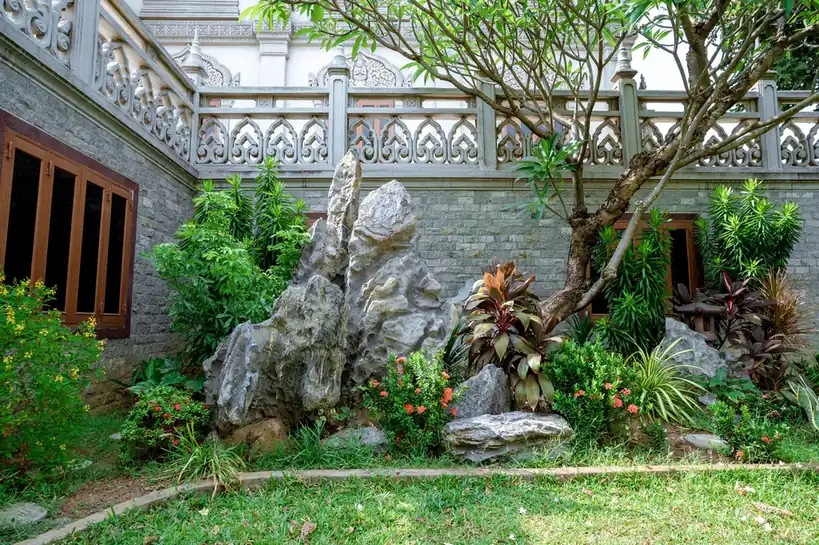
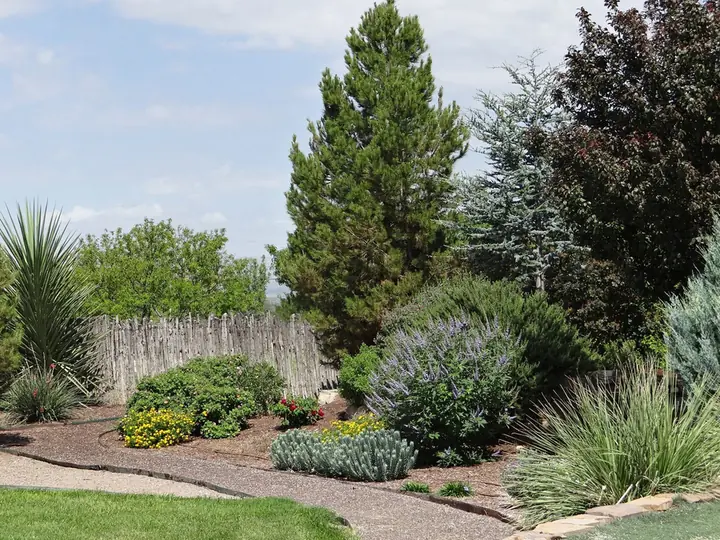
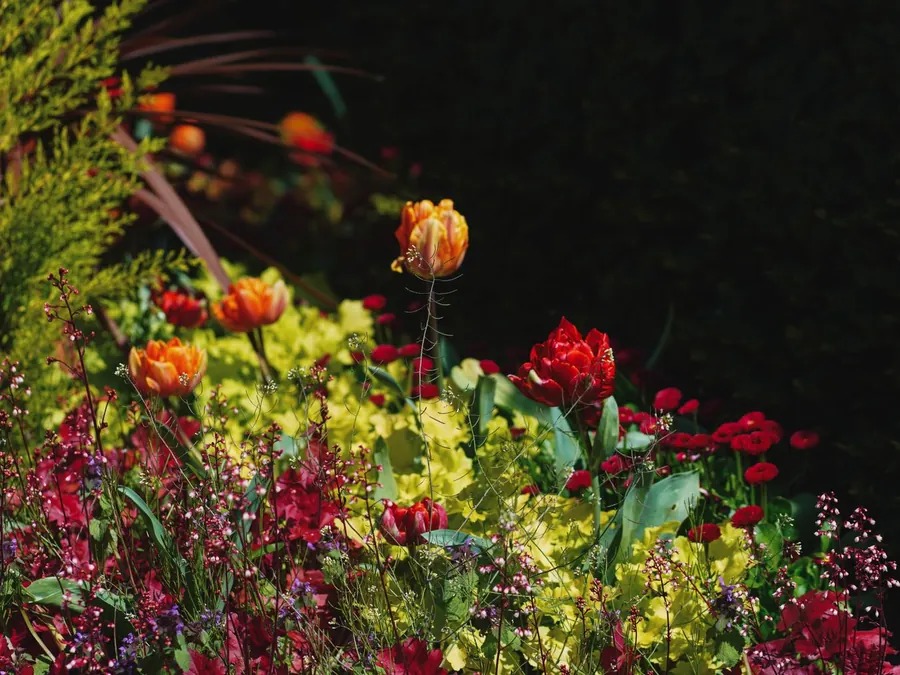
A finished landscape does not begin with sod rolls or mulch. Existing vegetation and debris may need removal, low spots may need correction, compacted or uneven soil may need preparation, and runoff routes need to remain functional before new landscape materials cover the ground.
That sequence matters in Palatine. The Village notes that spring rain, melting snow, frozen ground, and saturated soil can leave yards wet, while many residential properties rely on rear- and side-yard drainage swales to move runoff toward streets or low-point drains. Filling or flattening those routes can create new drainage problems. Our landscaping services in Palatine address broader grading, drainage, lawn, and yard problems.
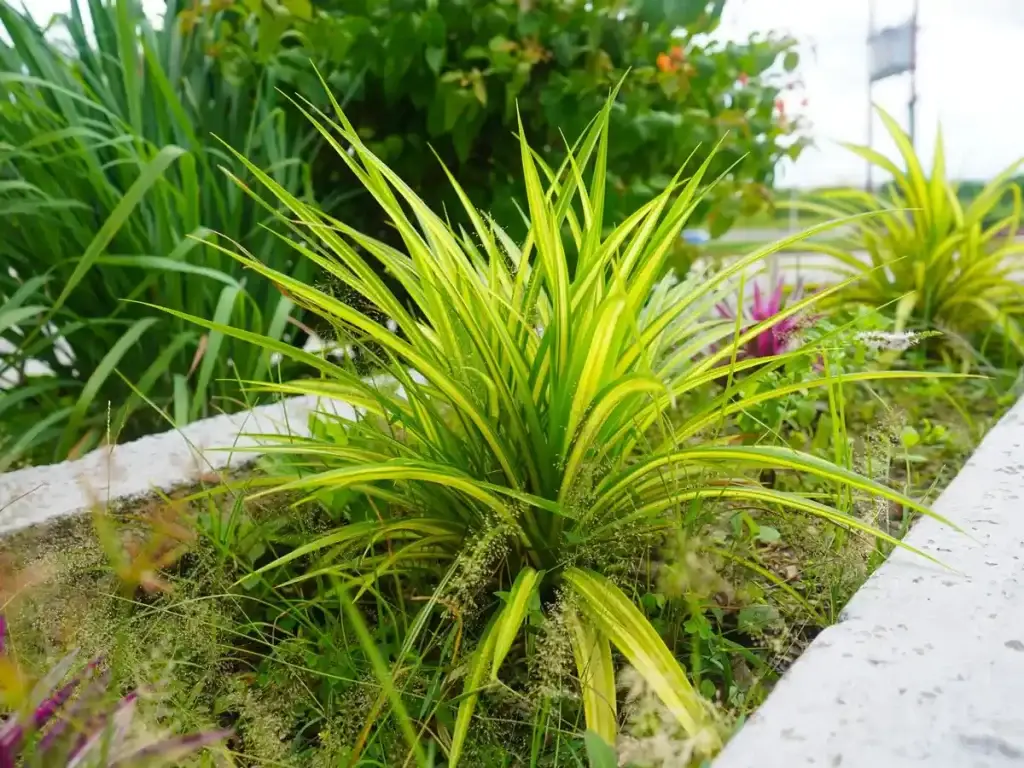
Landscape installation in Palatine, IL involves more than placing plants or rolling out turf. Residential landscape installation can include removal within the work zone, rough grading, final grade correction, soil-surface preparation, bed formation, lawn establishment, planting, mulch placement, and clean transitions into existing surfaces.
Old lawn, weeds, excess soil, debris, or unwanted landscape material within the approved work area may need to be removed before the new installation can begin. What stays and what comes out depends on the actual project scope.
Before establishing finished surfaces, address obvious high points, depressions, and uneven transitions that interfere with drainage, lawn installation, planting beds, or adjoining areas. Rough grading establishes the basic ground shape that later preparation follows.
The final soil surface determines where new lawn, beds, and surrounding edges will sit. Illinois Extension recommends establishing a favorable final grade before seeding or sodding and eliminating depressions or raised areas that contribute to poor drainage or an uneven lawn surface.
Palatine specifically warns against filling drainage swales with dirt, retaining blocks, trees, mulch, gardens, or other obstructions. Where a swale crosses the installation area, finished grades and landscape materials need to preserve the intended route for surface water.
Seed and sod need contact with a properly prepared soil surface, not loose debris, severe compaction, or an unfinished grade. Illinois Extension notes that soil and site preparation is closely tied to lawn-establishment success and recommends opening the soil surface before seeding or sodding.
Garden installation begins by defining the bed area and preparing the soil surface before adding plants and mulch. Bed edges, adjoining lawn, nearby hardscape, drainage, and finished elevation all affect how the new garden meets the rest of the yard.
Plant installation follows the agreed garden or landscape placement. Planting areas need enough soil volume and usable space for the selected material without crowding walkways, lawn edges, walls, or other nearby improvements.
Sod provides immediate turf coverage, but it follows the prepared grade underneath. A low spot remains low after sod is installed, so surface correction and soil preparation should come before placing the rolls.
Grass seed develops coverage gradually and needs suitable seed-to-soil contact and consistent moisture during germination. Northern Illinois has a particularly favorable late-summer establishment window, with Illinois Extension identifying early August through early September as the ideal seeding period.
Sod can hide bare soil, but it cannot remove a depression. Mulch can cover a bed, but it cannot reopen a blocked swale. Plant material can fill a garden visually, but it does not correct compacted ground or a poor surface elevation underneath it. R and R Landscaping and Design keeps those physical conditions separate from the finish materials placed over them. When lawn boundaries, garden locations, patio footprints, or other placements still need to be established, custom landscape design addresses those decisions before installation begins.
The surface below sod, seed, or planting matters because the new installation follows its elevation and condition. Address uneven subgrade, debris, or unsuitable transitions before finish materials make those problems harder to reach.
Rick stays involved as the approved work moves from existing conditions into grading, preparation, and installation. That keeps the physical work tied to the property conditions and installation scope discussed with the customer.
A new landscape project does not require unnecessary removal. Existing lawn, trees, beds, walkways, or surfaces can remain outside the work zone when their condition and location do not interfere with grading, drainage, access, or installation.
R and R Landscaping and Design works across landscaping, grading, drainage, hardscaping, concrete, sod, seed, mulch, and garden installation. This matters when landscape installation meets a patio edge, retaining area, driveway, walkway, or drainage correction that affects finished elevation or access.
Sod and grass seed both establish turf over prepared ground, but their installation methods, establishment periods, soil exposure, timing, and aftercare differ. Neither option replaces proper grading or soil preparation, so the lawn surface underneath should be ready before either method starts. Illinois Extension notes that sod should be placed on a properly prepared, firm soil bed, with seams staggered and the underlying soil watered thoroughly after installation. For seed, good seed-to-soil contact and consistent early moisture are critical to germination.
Decision Point
Sod Installation
Grass Seed
Starting Material
Pre-Grown Turf Rolls
Grass Seed
Initial Coverage
Immediate Turf Surface
Develops Gradually
Soil Exposure
Covered Right Away
Exposed During Germination
Establishment Need
Root Contact And Water
Seed Contact And Moisture
Seasonal Flexibility
Wider Growing-Season Window
Timing More Important
Our landscape installation in Palatine, IL follows the condition of the work area rather than a fixed cosmetic sequence. A yard with a workable grade may move quickly into soil and material preparation, while a site with depressions, poor runoff, or disturbed ground needs correction before installing finish materials.
Remove existing material included in the project from the work zone so grading and soil preparation can reach the actual ground surface instead of working over unwanted material.
Address high spots, depressions, swales, and adjoining elevations according to the project scope. The objective is a finished surface that supports the installation without creating unnecessary low areas or obstructing intended runoff.
Prepare lawn and planting surfaces for the materials they will receive. Compaction, debris, loose soil, and surface uniformity matter because they affect root contact, drainage, and how evenly the finished landscape settles.
Sod, seed, plants, mulch, and other included landscape materials are installed only after the required ground preparation is complete. Each material is placed according to its own establishment needs rather than treated as the same type of finish.
New lawn, beds, and planting areas need clean transitions into driveways, patios, walkways, existing turf, and other retained surfaces. Those junctions establish the final elevation and visual boundary between old and new work.
Pro Tip: Don’t use sod, mulch, or new soil just to hide a low or wet area. Palatine specifically warns that excess fill can block swales or flatten intended drainage slopes, sometimes making standing-water problems worse.
Start with the existing material, ground elevation, low spots, runoff routes, access, and soil surface within the work area. Those conditions determine whether removal, regrading, drainage correction, or soil preparation should happen before sod, seed, planting, mulch, or other finished landscape materials go down.
Sod should go over a properly prepared, firm, reasonably uniform soil bed rather than simply covering uneven or poorly prepared ground. Illinois Extension recommends addressing soil condition, debris, rough grade, depressions, and final grade before establishing a lawn because shortcuts in preparation often lead to later lawn problems.
Spring conditions can leave local yards saturated when rain and melting snow meet frozen or already-wet ground. Palatine also relies on drainage swales across many residential properties. Evaluate standing water as a grading, obstruction, or runoff issue before new landscape materials cover the area.
Sod gives immediate turf coverage and can be installed through a wider portion of the growing season, while seed develops gradually and is more dependent on establishment timing. Illinois Extension identifies early August through early September as the ideal seeding period for northern Illinois cool-season lawns.
They often do. The Village of Palatine currently lists most demolition and regrading, drainage projects, patios, driveways, and sidewalks among residential work requiring permits. Exact permit requirements depend on project scope, so check before you start construction or grading.
Completed installation work should show more than the final color of fresh sod or mulch. Look for corrected ground elevations, defined beds, prepared lawn surfaces, consistent edges, planting placement, and clean connections where new landscape work meets existing patios, walkways, driveways, or turf.
Landscape installation often sits between earlier design decisions and later lawn or outdoor-use improvements. These related services cover the work that determines placement beforehand or supports connected areas after the main installation scope is complete.
Use custom landscape design when lawn boundaries, planting beds, hardscape footprints, circulation, or other outdoor placements still need to be resolved before physical work begins.
After sod or seed has been established, lawn care services address appropriate lawn-focused needs within that scope rather than repeating the installation process.
Use outdoor living improvements when installed landscaping needs to connect with patios, walkways, seating areas, hardscape, or other functional exterior spaces.
Show Rick the lawn, bed, or landscape area you want installed and point out existing low spots, standing water, grade changes, access limits, or material that needs removal. R and R Landscaping and Design can determine which preparation belongs in the project before finished materials go down.