
Mon–Fri 7 am–6 pm, Sat 7 am–12 pm, Sun closed
A driveway is not clear until a vehicle can travel from the garage or parking area to the street. Snow plowing service in Palatine, IL opens that paved route, recovers usable width, and pushes accumulated snow beyond the vehicle lane.
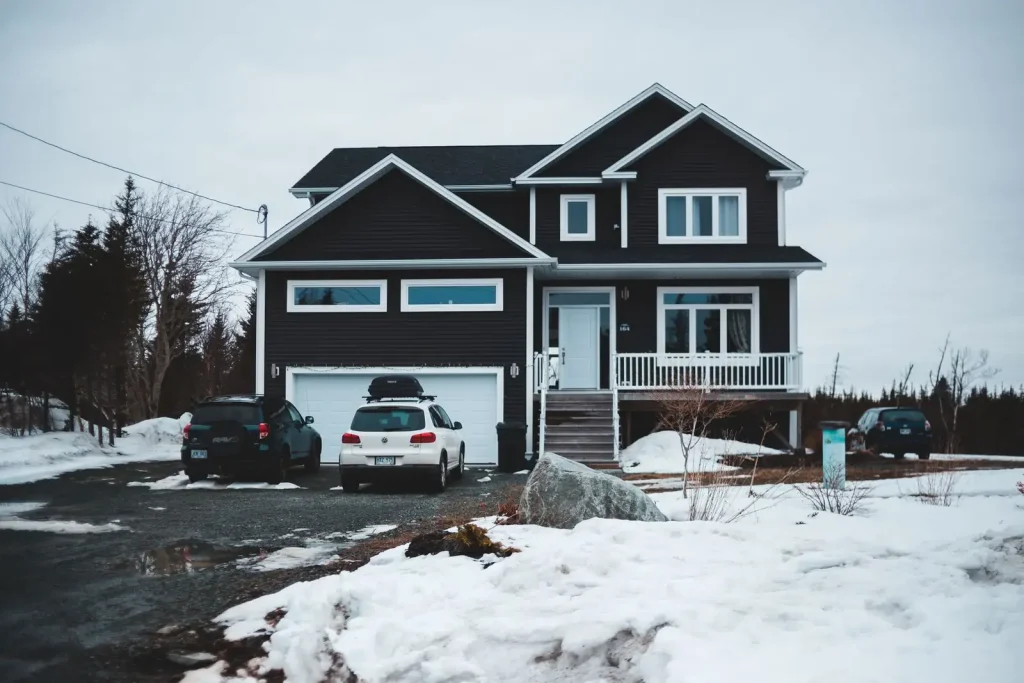
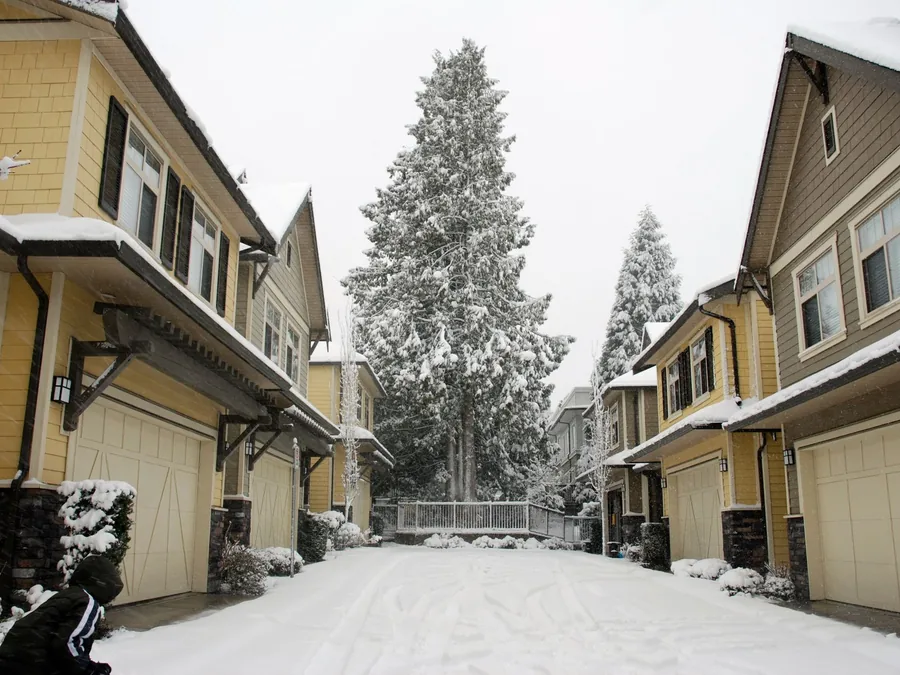
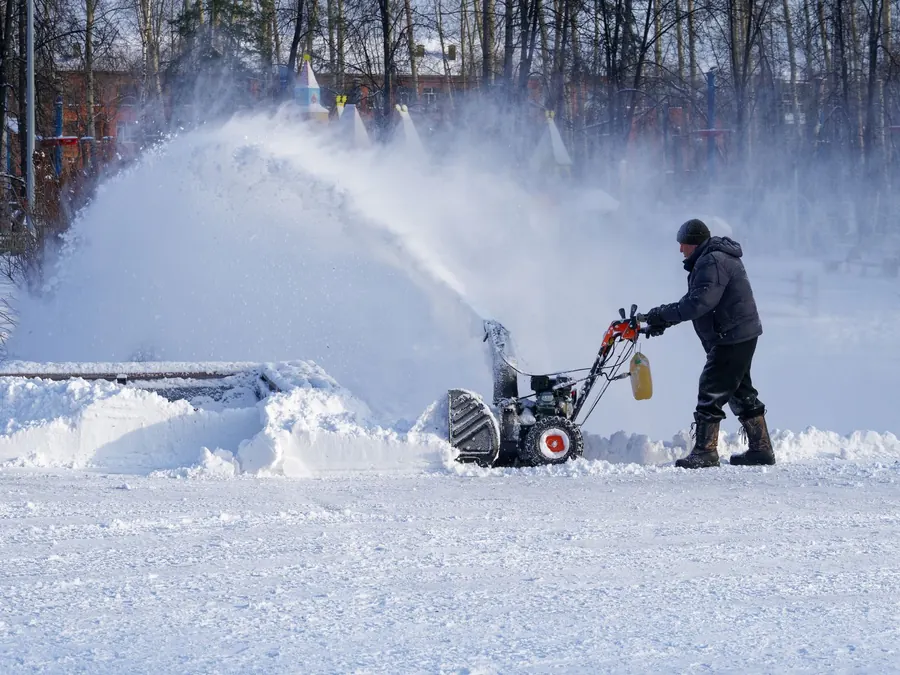
Residential snow plowing starts with the pavement rather than the whole yard. Garage width, curves, parking pockets, turnaround areas, narrow sections, and the street apron all change how the plow travels and where each push can finish.
The first passes open a vehicle route through the accumulation. Later passes widen that route toward the pavement edges, clear connected parking areas, and finish the street connection without repeatedly carrying the same snow back across pavement that is already open.
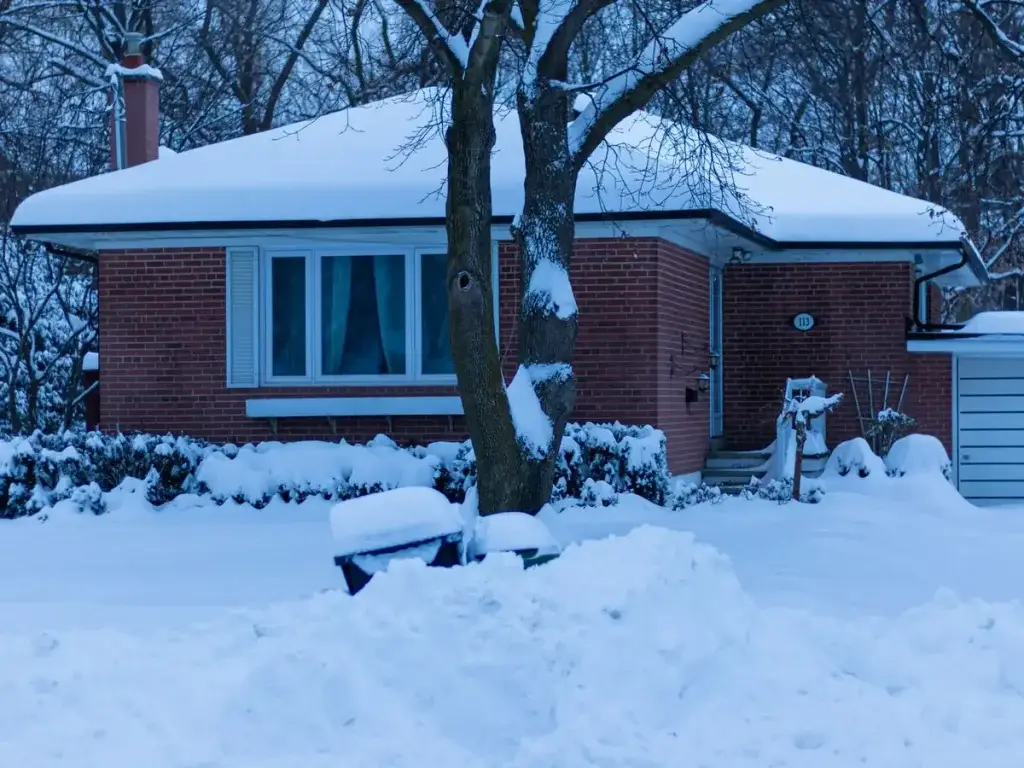
A straight single-car driveway gives the blade one simple direction. Wider, curved, or connected pavement changes that movement. The plow still needs room to enter, push accumulation, change direction, and leave enough exposed surface for vehicles to travel normally.
Snow directly outside the garage affects the full width available when a vehicle first backs out. Clearing starts where the vehicle route actually begins, not several feet farther down the driveway.
A long straight section gives snow one consistent push direction. Continuous passes move accumulation toward the edge instead of carrying it repeatedly across pavement that has already been opened.
A curved driveway changes the direction of travel before the plow reaches the street. Snow stays outside the vehicle path rather than building along the inside of the turn.
Tight pavement leaves little distance between the travel lane and snowbanks. Each edge matters because repeated storms gradually reduce usable driveway width when piles remain too far inward.
Parking area snow plowing has to open the connection with the main drive as well as the parking surface itself. A cleared space is useless when the vehicle cannot reach it.
Wider pavement near the house gives vehicles room to change direction. Plowing preserves that function instead of leaving only a narrow lane through the middle of the area.
The pavement edge determines the finished usable width. Snow left several inches onto both sides turns a wider driveway into a progressively narrower vehicle lane.
Municipal street plowing often leaves heavier accumulation across private driveway openings. Removing that packed ridge reconnects the driveway with the cleared roadway instead of leaving one final barrier.
The finished driveway needs enough open pavement for the vehicles that enter, leave, park, and turn there. Clearing unnecessary lawn edges adds little value to that result.
Snow clearing with plows becomes inefficient when the same accumulation crosses open pavement again and again. Each pass works better when it moves snow closer to its final edge rather than sending it back into the lane that vehicles still need.
The opening pass cuts the first usable route through accumulated snow. That lane gives later movements open pavement to work from instead of repeatedly starting inside untouched accumulation.
Following passes expand the cleared surface toward the edges. Each one recovers more pavement without closing the central lane that has already been opened.
Snow travels toward an area outside the vehicle path. Garage position, driveway shape, parked vehicles, pavement edges, and available pile space determine the useful direction.
The final passes establish usable driveway width. Snow left too far onto the pavement becomes the starting point for an even narrower drive after the next snowfall.
Plowing and snow removal solve related winter problems, but they are not the same job. Plowing concentrates on larger paved areas where equipment can push accumulated snow. Full-property clearing also addresses walkways, steps, entrances, gates, and other areas beyond the plowable vehicle surface.
Winter Work
Snow Plowing
Full Property Snow Removal
Main Surface
Driveways And Parking Areas
Multiple Property Areas
Primary Work
Plowable Pavement Clearing
Broader Snow Clearing
Vehicle Access
Central Focus
Included
Walkways And Steps
Outside Main Plow Route
Part Of Wider Clearing
Tight Areas
Limited By Equipment Space
Addressed Separately
Best Fit
Larger Paved Vehicle Areas
Whole-Property Access
A snow plowing service in Palatine, IL fits the part of the property where a plow can open and widen paved vehicle areas. Full snow removal becomes relevant when entrances, walks, steps, and other routes need attention too.
The driveway is cleared in stages rather than treated as one featureless rectangle. Opening the vehicle lane first creates room to work, then additional passes recover pavement along the sides, parking areas, and street connection.
Garage openings, driveway curves, parking areas, pavement edges, parked vehicles, and the street connection establish how the blade can move across the property.
The first movement sends accumulation away from the vehicle route so later passes do not keep carrying snow back across pavement that is already open.
A continuous route is established between the garage or parking area and the street before attention moves to the full width of the driveway.
Additional passes expose more pavement along the edges and open connected parking or turnaround areas that vehicles need during normal winter use.
The street connection receives the final clearing needed to remove remaining buildup and leave one continuous paved route from the property to the roadway.
Snow Plowing Note: Snow plowing service in Palatine, IL works on paved vehicle areas where equipment has room to enter, move accumulated snow, and leave enough cleared width for normal driving.
The useful width depends on how the driveway is used. Garage-door width, number of vehicles, outdoor parking, curves, and turnaround space all affect how much pavement needs clearing. The goal is enough room for normal vehicle movement rather than exposing pavement that adds nothing to driving or parking.
Municipal plows move street snow toward the road edge while opening traffic lanes. That process often leaves a heavier ridge across private driveway aprons after the driveway itself has already been cleared. Another pass at the apron removes that buildup and restores the connection to the street.
Yes. A parked vehicle removes plowable pavement and interrupts the continuous passes used to move snow toward an edge. Snow remains around the occupied space, and the blade has less room to position itself. Moving vehicles before plowing leaves more pavement available for continuous clearing.
No. Plowing handles larger paved areas where equipment has room to push accumulated snow, including driveways and parking surfaces. Shoveling addresses smaller areas such as steps, narrow walks, corners, and places a plow cannot physically enter. Full snow removal can involve more than one clearing method.
No. Palatine prohibits plowing, blowing, or shoveling cleared snow into an already plowed street or onto the parkway across from the property. Driveway snow stays on the property’s side in an area that does not send it back into the roadway.
Existing piles reduce the space available for the next round of snow. Banks that already sit close to the pavement make driveway width shrink faster during repeated storms. Keeping the edges open and avoiding unnecessary inward buildup preserves more working room as winter accumulation continues.
Do not judge driveway snow plowing from one exposed patch of pavement. Look at the garage opening, continuous travel lane, parking areas, driveway edges, and apron together. The finished surface should read as one usable vehicle route from the property to the roadway. Want another perspective before choosing who works on your property? Our landscaping service reviews show how customers describe their experience with the team.
Plowing handles the paved vehicle route. Walkways, entrances, growing-season landscaping, or questions about recurring winter service belong to broader property work rather than forcing one service to cover unrelated areas.
When driveways, walks, steps, entrances, and other winter routes all need clearing, snow removal services cover the property beyond the plowable pavement.
After winter, landscaping services return the focus to lawn, planting, grading, drainage, and other outdoor improvements around the property.
For questions about driveway shape, parking areas, repeated snowfall, or the services available for your property, contact our landscaping team directly.
Snow across a large paved surface turns every trip out of the garage into extra work. Open the vehicle lane, recover the usable driveway width, and clear the street connection so the pavement is ready when you need to leave.