
Mon–Fri 7 am–6 pm, Sat 7 am–12 pm, Sun closed
R and R Landscaping and Design provides landscaping services in Palatine, IL for lawns, gardens, uneven grades, drainage problems, mulch beds, and underused outdoor areas, with each improvement planned around how the property already handles water, access, and everyday use.
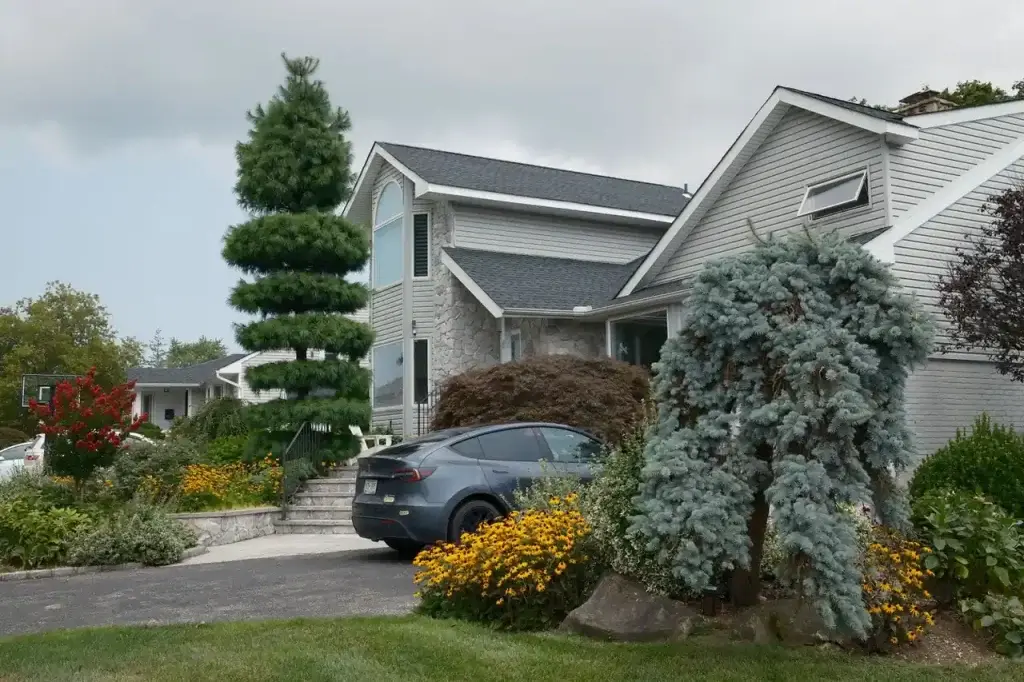
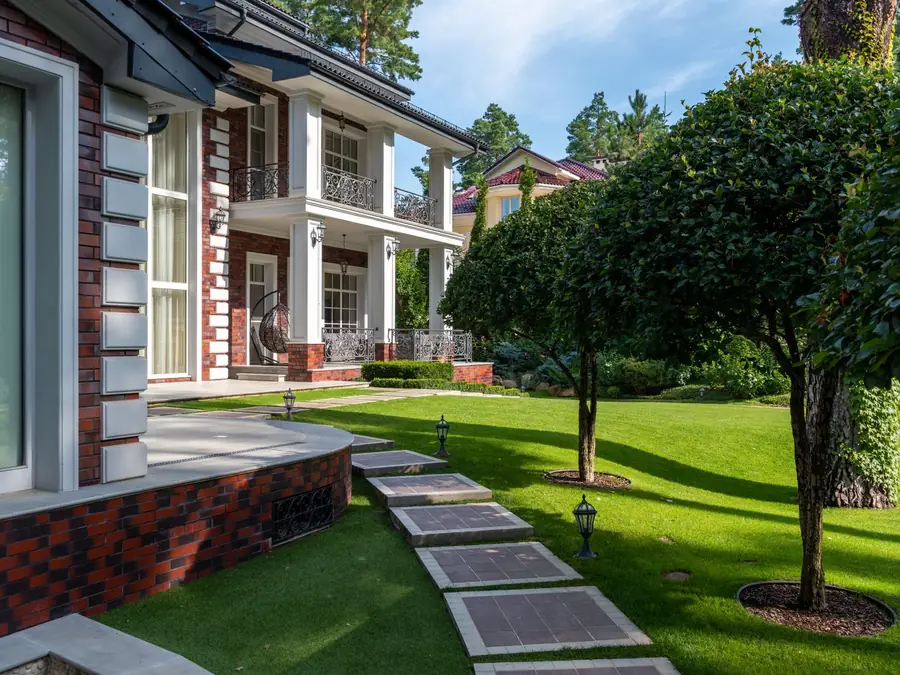
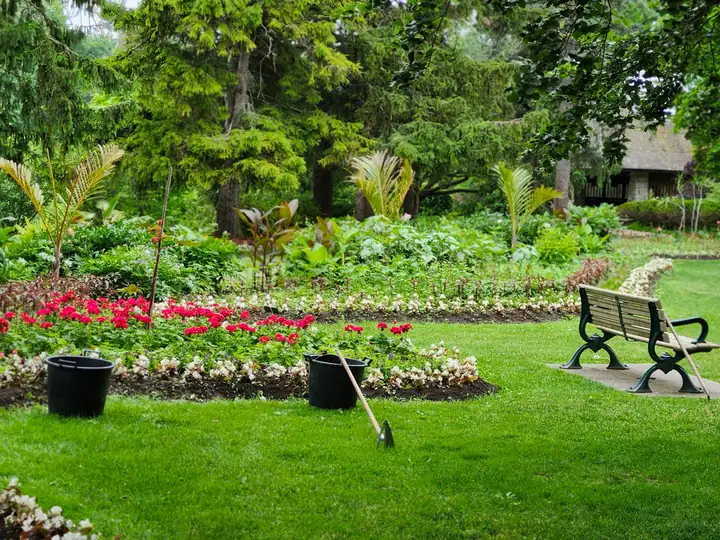
Landscaping in Palatine has to account for more than appearance. Heavy clay soils, spring saturation, existing drainage routes, lawn condition, and changing grades influence whether new sod, mulch, garden areas, or other improvements perform as intended.
That is why we begin with the property itself. Some yards need layout decisions first, while others have a defined lawn, drainage, or installation problem. Our landscape design services help organize more involved changes before construction begins.
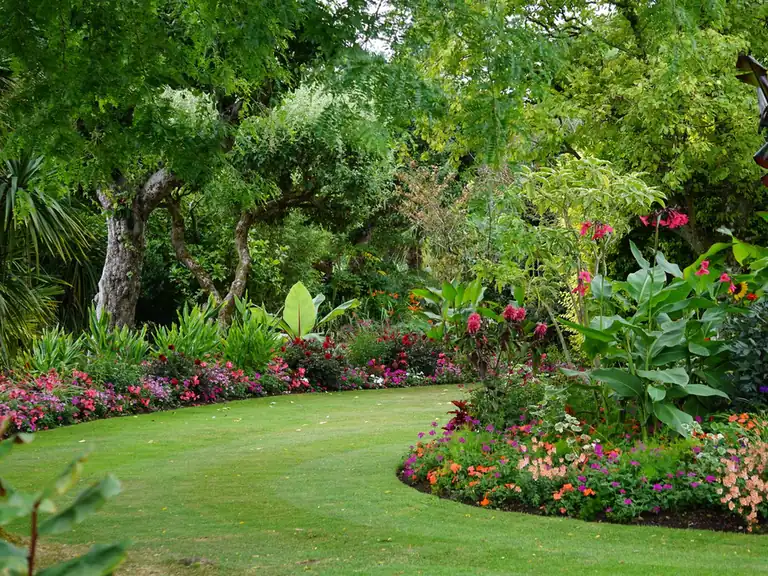
Residential landscaping services should respond to what the yard is doing now. One property may need lawn establishment and garden work, while another needs regrading or drainage addressed first. R and R Landscaping and Design builds the scope around those conditions instead of applying one package everywhere. Projects with an established layout can move into our landscape installation services once the required preparation, materials, and improvement sequence are clear.
We review layout, grade, lawn areas, drainage, access, and intended use so individual landscape improvements work as one property plan.
We organize garden areas around available space, surrounding lawn, drainage routes, access, and how you want to use the yard.
Mulch covers exposed soil in suitable beds, defines landscape areas, and creates cleaner transitions between lawns, gardens, trees, and nearby surfaces.
Prepared lawn areas receive sod where quicker establishment suits the project. Explore our dedicated sod installation services for lawn-specific planning.
Seed offers another lawn-establishment route when time allows for germination and coverage. Compare related lawn improvement services for grass-focused needs.
Regrading reshapes surface elevations where low areas collect water, runoff follows the wrong route, or sections of lawn drain poorly.
Drainage work addresses recurring saturation and unwanted runoff after determining where water enters, how it moves, and where it should continue safely.
We trim selected branches and growth where trees interfere with access, surrounding landscape areas, cleanup needs, or other planned property improvements.
We remove woody debris and chipped material when cleanup is required before an affected landscape area can be prepared or finished properly.
A new lawn doesn’t correct a low spot, and mulch doesn’t restore a blocked drainage path. Rick stays directly involved while the project is organized so visible landscape improvements follow the underlying site conditions. The goal is to solve the right property issue before covering it with finished materials.
Rick works directly with customers to understand what is happening on the property, what they want changed, and which improvements should be included in the final project scope.
Grade influences runoff, runoff affects soil saturation, and saturated soil affects lawn and garden performance. We consider those relationships instead of treating each landscape area separately.
The recommendation follows the property rather than a preset package. Areas that already function well can remain while work stays focused on sections that need improvement.
Drainage, grading, preparation, and finished landscaping are in a practical order so later work doesn’t hide a condition that should have been addressed earlier.
Landscape design and landscape installation belong to different stages of a project. The useful question is not which service is better, but whether your property still needs layout and coordination decisions or is ready for preparation and physical installation.
Best Starting Point
Goals Clear, Layout Unclear
If drainage, lawn areas, garden placement, and future hardscape still need to work together, design provides direction first. Once placement and scope are settled, installation becomes a more direct route to site preparation and construction.
A useful landscaping process does more than move from estimate to installation. It identifies what the property is doing now, determines which conditions matter, and puts preparation ahead of the finished material that depends on it.
We review lawn condition, beds, grade, access, existing surfaces, drainage routes, and the areas you want changed or improved.
We separate low ground, bare lawn, saturated soil, runoff, existing materials, and usable areas into distinct project needs.
The work is ordered so grading, drainage, removal, or preparation occurs before the landscaping that depends on those conditions.
The team prepares soil, grades, lawn areas, beds, and existing materials based on the next improvement to be installed.
The team completes the approved landscape work and finishes affected areas so new elements connect naturally with the surrounding property.
Pro Tip: Evaluate a wet or uneven Palatine yard before installing new sod, mulch, or garden areas. Surface improvements work better when you’ve already considered grade, soil condition, and existing drainage routes.
Spring rain and melting snow can saturate Palatine yards, especially while the ground is still frozen or slow to absorb runoff. Local heavy clay also drains slowly. Persistent wet areas may involve low grades, blocked drainage routes, or concentrated runoff that you should evaluate before installing new landscaping.
Regrading makes sense when surface elevation is directing water toward a low spot or interrupting an existing drainage path. Other conditions may require a different drainage response. The deciding factor is where the water originates, how it crosses the property, and whether restoring positive surface drainage resolves the problem.
Grade problems should be addressed first when they cause standing water, erosion, or runoff toward areas being landscaped. Sod and garden beds change the finished surface but do not correct an underlying elevation problem. Establishing the appropriate grade first gives the later landscape work a better starting condition.
New sod needs suitable preparation underneath it. Evaluate persistently wet, poorly graded, or compacted ground before installation because laying sod changes the grass surface, not the underlying water or soil conditions. Preparation may involve correcting grade, improving the planting surface, or addressing drainage before sod goes down.
Landscaping cost depends on project size, materials, access, removals, soil preparation, lawn area, grading, drainage needs, and how many improvements must be coordinated. A straightforward mulch or sod installation has different labor and preparation requirements than a project involving regrading, water movement, garden work, and multiple connected areas.
Completed projects show more than individual materials. Look at lawn transitions, garden areas, grading, mulch, drainage corrections, and how each improvement connects to existing surfaces and usable space across the property.
Once the broader landscaping needs are clear, the next step may involve more detailed planning, physical installation, or establishing a new lawn surface.
Coordinate layout, grade, drainage, lawn, and outdoor-use decisions before larger work begins through our landscape design services.
Turn an established plan into physical improvements with our dedicated landscape installation services.
Replace bare or unfinished lawn areas with an established grass surface through our focused sod installation services.
Tell R and R Landscaping and Design what stays wet, looks unfinished, drains poorly, or needs to work differently. We will review the property and help define the appropriate landscaping scope.