
Mon–Fri 7 am–6 pm, Sat 7 am–12 pm, Sun closed
Young plants leave open ground because they have not reached mature size yet. Planting services in Palatine, IL should account for how trees, shrubs, and perennials will spread, layer, and occupy the landscape after several growing seasons.
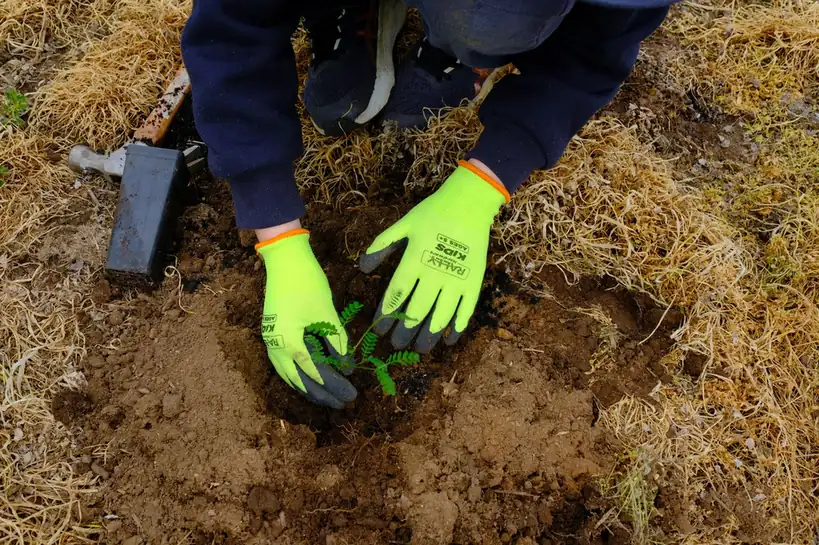
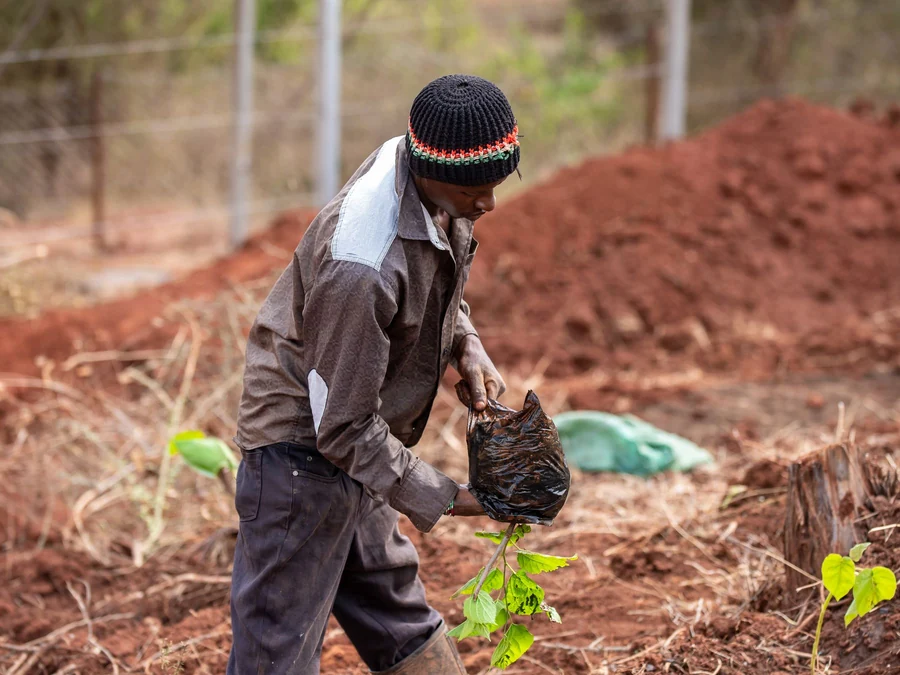
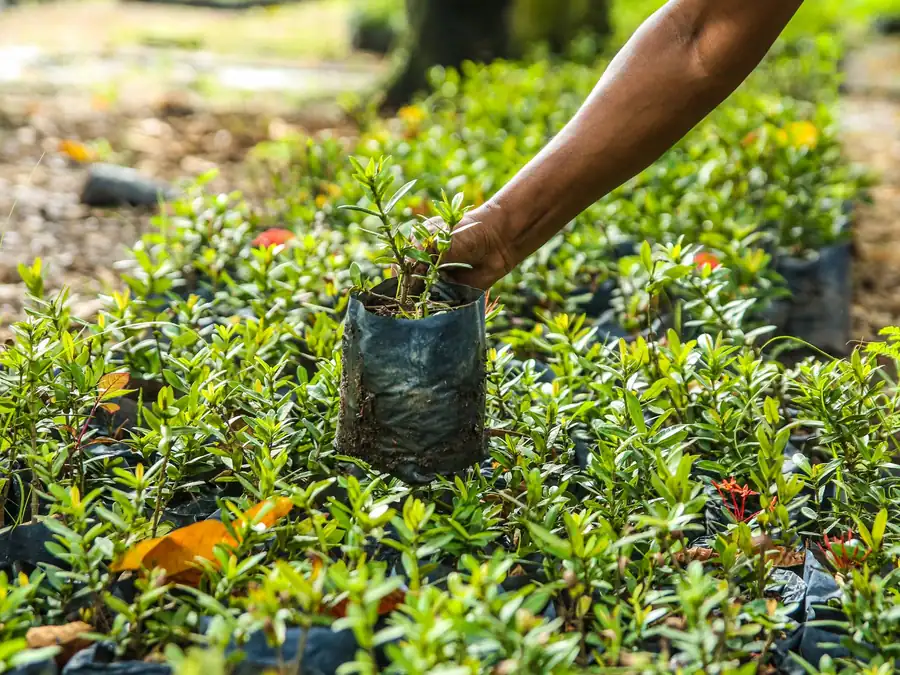
A small shrub in a nursery container eventually occupies several feet of bed space. Pack several too tightly, and a planting that looks pleasantly full in year one becomes crowded against windows, walks, lawn edges, and neighboring plants later.
Light, moisture, and available space narrow the choices further. R and R Landscaping and Design considers those conditions before positioning plant material, while broader landscaping services address surrounding property conditions when the project extends beyond the planting beds.
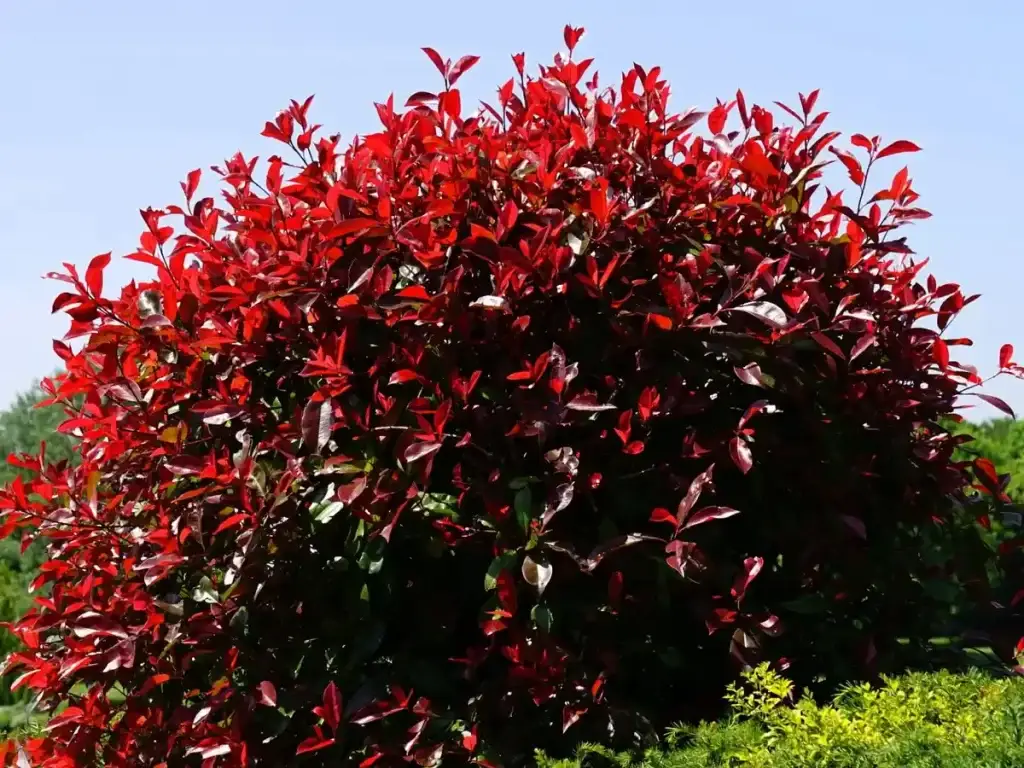
A planting bed rarely needs several versions of the same plant. Trees establish the upper layer, shrubs add structure and screening, perennials occupy lower spaces, and seasonal flowers change the appearance through the year. Each group has a different role in the finished landscape.
A tree changes more than one planting spot. As its canopy expands, it influences future shade, sightlines, nearby shrubs, lawn conditions, and the plants that eventually grow underneath it.
Evergreens keep visible mass through winter and suit areas where year-round structure or screening matters. Their mature width still needs enough room to develop without crowding neighboring plants.
Flowering shrubs hold the middle layer while adding bloom, foliage, and seasonal change. The better choice balances flower display with mature height, spread, and the plants positioned around it.
Plants beside the house need dimensions that fit the building. A shrub that eventually reaches windows, entrances, or access points creates a recurring pruning problem as it matures.
Screening plants need enough future height and width to provide privacy without constantly pushing into fences, walkways, structures, or neighboring plants as their branches and foliage expand.
Perennials often read more naturally in groups than as isolated plants. Height, spread, foliage, bloom period, and repetition determine how they fill space beneath larger woody material.
Different plants can take turns carrying the bed. Spring flowers, summer foliage, fall color, seed heads, bark, and evergreen structure extend visual interest beyond one short flowering period.
Native species offer Illinois-adapted choices for different sun and moisture conditions. Palatine’s 2026 Hometown Pride Awards even include a Native Plants & Pollinators category for local landscapes.
Open mulch between young plants is often intentional. Leaving a growth room allows shrubs and perennials to widen naturally instead of creating a bed that needs early thinning or transplanting.
Plants eventually test every boundary around them. The house, walkways, lawn, windows, neighboring plants, and important sightlines all become constraints once young material reaches mature size. Thoughtful spacing accepts some first-year openness in exchange for fewer conflicts as the planting fills in.
A foundation shrub should not depend on constant hard pruning simply to keep a window exposed. Mature height belongs in the selection decision before the plant reaches the bed.
Branches and foliage expand beyond the footprint of a nursery container. Enough setbacks beside walks and entrances keep mature growth from repeatedly narrowing the routes people use around the property.
Long-term spacing is an important part of planting services in Palatine, IL, especially where narrow foundation beds limit room. Mature spread should guide placement before neighboring shrubs begin touching.
Shorter perennials disappear when taller material eventually expands in front of them. Height relationships need to work after growth fills in so the lower planting layer remains visible.
A new bed naturally looks more finished when every gap disappears immediately. The problem is that shrubs and perennials arrive much smaller than the area they eventually occupy. Tight permanent planting closes those gaps now but often creates crowding later.
Planting Decision
Immediate Fullness
Mature Plant Spacing
First-Year Appearance
Denser Right Away
More Open Initially
Shrub Placement
Tighter Together
Based On Mature Width
Future Pruning
Usually More Frequent
Easier To Control
Plant Competition
Increases As Growth Expands
More Room Between Plants
Window And Path Clearance
Shrinks Over Time
Planned Before Installation
Long-Term Bed
Earlier Thinning Likely
Space Fills Gradually
Immediate fullness still has a place. Annual flowers and intentional mass plantings are designed to fill space quickly. The distinction matters more with trees, shrubs, and long-lived perennials that continue widening and competing for the same bed space.
A planting develops more naturally when the permanent structure is settled first. Trees and larger shrubs claim the most space, smaller woody plants build around them, and perennial material fills the lower layer after those larger dimensions are understood.
Trees establish the highest layer first because future canopy size changes shade, views, screening, and the growing conditions available to every smaller plant placed nearby.
With larger elements settled, shrubs create the middle structure through screening, foundation planting, flowering mass, foliage texture, and year-round presence where evergreen material is used.
Perennial groups occupy the lower spaces where foliage and flowers remain visible instead of disappearing later behind shrubs that were always going to become taller.
Before installation, spacing is viewed against mature width, windows, walks, lawn boundaries, and neighboring plants rather than the temporary dimensions of nursery containers.
Finally, R and R Landscaping and Design sets plants at the appropriate depth, backfills the root zone, waters them in, and begins the establishment period.
Pro Tip: Illinois Extension recommends digging a tree planting hole about two to three times wider than the root ball but no deeper, with the root flare positioned at or just above finished soil grade.
Shrub spacing depends on mature width rather than one universal distance. Plants expected to spread four feet need more room than compact shrubs that remain near two feet wide. Intended overlap, neighboring plants, walkway clearance, windows, and the width of the planting bed also affect final placement.
Tight spacing creates immediate fullness, but permanent shrubs continue expanding after installation. Planned gaps usually reduce future crowding, repeated corrective pruning, and early transplanting. Annual flowers provide a better way to create short-term fullness while longer-lived shrubs develop into the space reserved for their mature size.
Shade alone does not determine the plant choice. Some shaded beds stay dry because established tree roots compete for moisture, while others remain cooler and wetter. Good planting services in Palatine, IL should match plant material to both the amount of light and the moisture pattern within that location.
Both seasons provide useful planting windows. Spring allows establishment before winter, while fall offers cooler air and soil that remains warm enough for root activity. Illinois Extension identifies fall as a useful time for many woody plants, provided adequate moisture is maintained before the ground freezes.
Parkway tree planting follows separate Village requirements. Palatine’s 50/50 Tree Planting Program applies specifically to parkway trees, and participating locations require approval from the Village Arborist before planting. Property owners should confirm the location and Village requirements before treating parkway space like an ordinary private planting area.
Look beyond the flowers visible in one photograph. Notice tree position, shrub spacing, lower perennial layers, open growth room, window clearance, screening, and whether different plants contribute structure or color at different points in the season.
Planting sometimes stands alone, but it also belongs inside projects where the bed layout, surrounding construction, or wider backyard is still changing.
If bed shape and planting zones remain undecided, landscape design services establish the larger arrangement before individual plants are selected.
Sometimes planting is one layer of a larger build. Landscape installation services connect it with grading, lawn, new beds, and surrounding site work.
A privacy screen or flowering border may support a bigger outdoor goal. Backyard landscaping services connect planting with how the entire backyard functions.
Trees gain canopy, shrubs widen, and perennial groups spread into the spaces reserved for them. R and R Landscaping and Design selects and installs planting that fits the property now without creating avoidable crowding as the landscape develops.