
Mon–Fri 7 am–6 pm, Sat 7 am–12 pm, Sun closed
Standing water is only where the problem becomes visible. Drainage services in Palatine, IL trace runoff from roofs, pavement, slopes, and saturated soil to determine whether the yard needs regrading, interception, buried drainage, or redirected discharge.
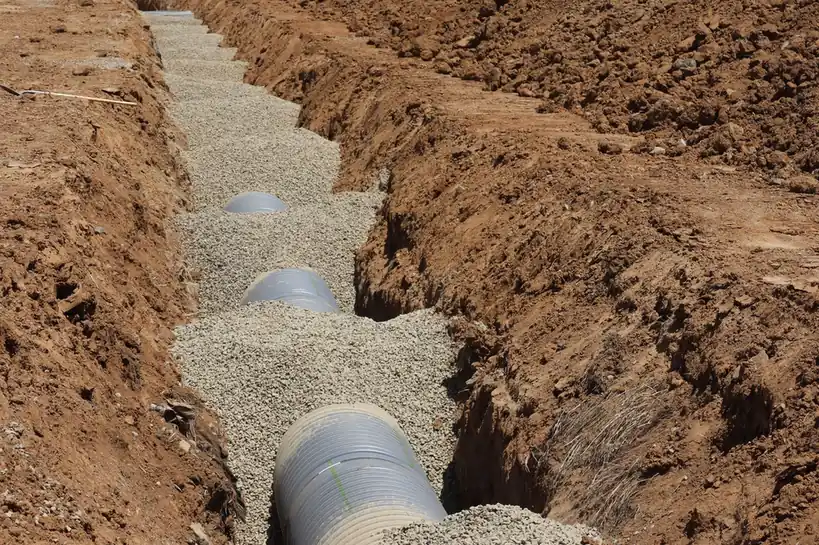
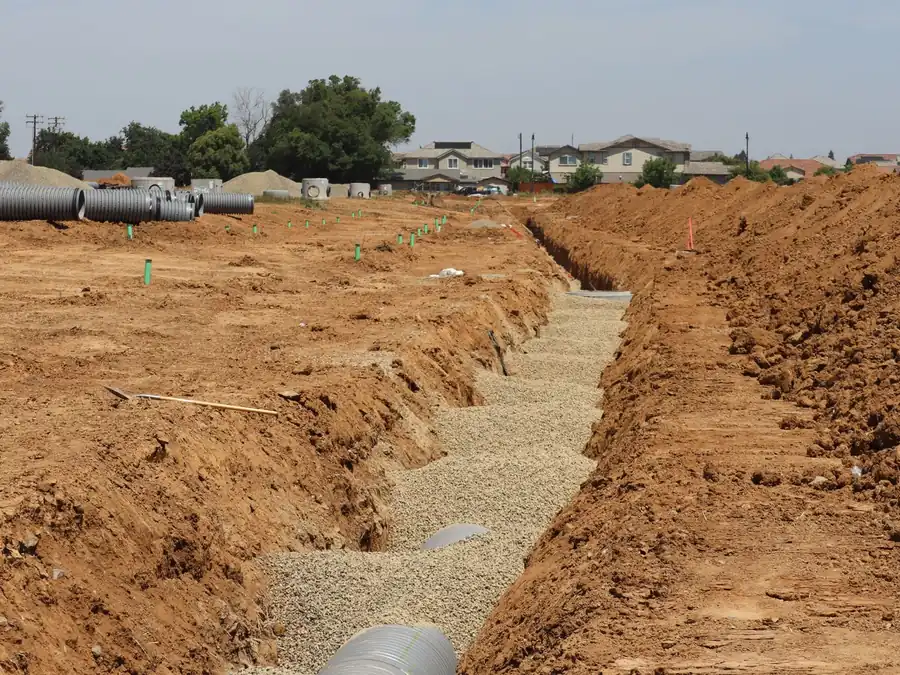
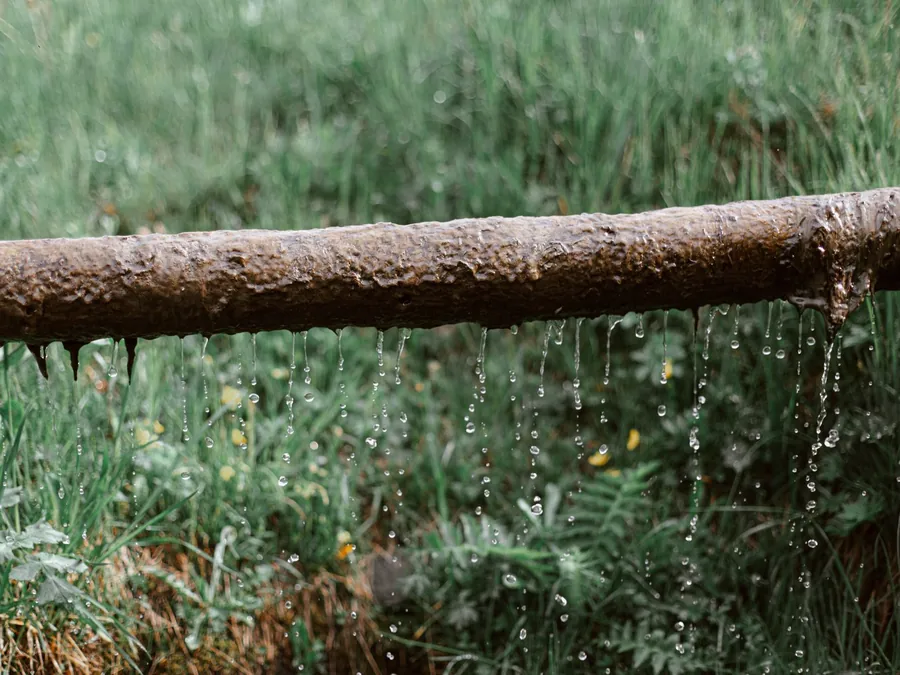
Residential drainage work can include yard drainage correction, French drains, grading adjustments, buried water-routing systems, and changes to downspout or sump discharge. The right service depends on whether water is flowing across the surface, saturating the soil, collecting in low areas, or entering from a concentrated outlet.
Rain can leave a roof, cross a patio, move downhill through the lawn, and finally collect beside a walkway or foundation. Watching where runoff appears, where it slows, and where it becomes trapped helps determine whether the project needs grading, collection, subsurface drainage, or a combination.
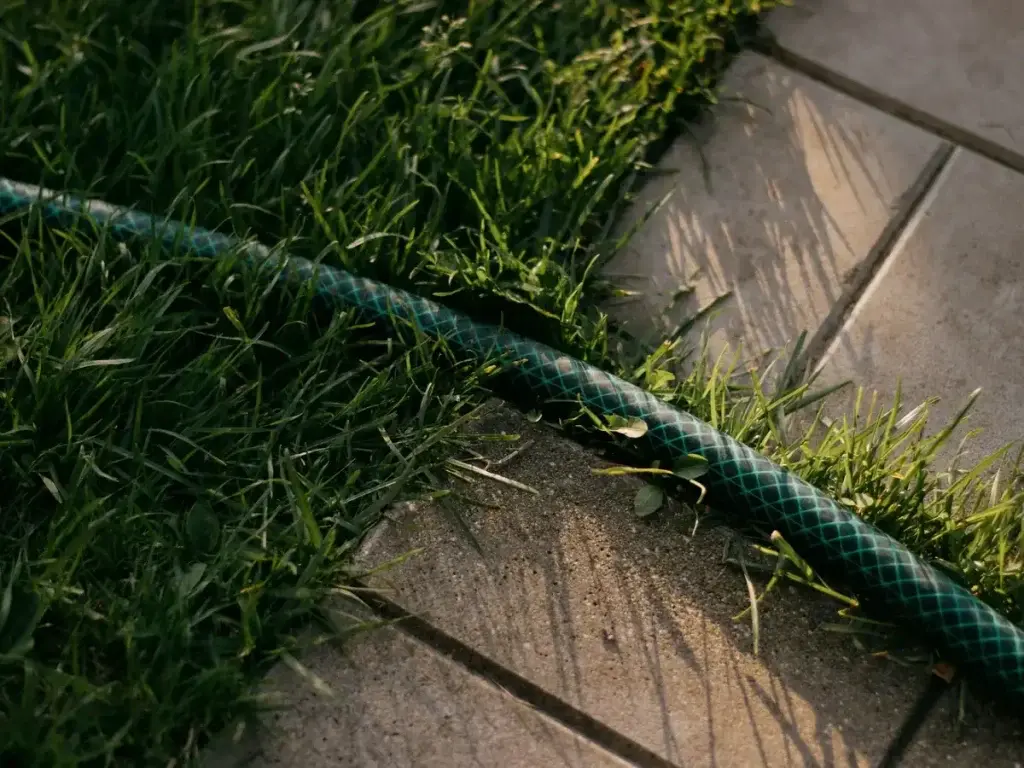
A wet lawn rarely starts with the puddle itself. Downspouts, pavement, higher grades, compacted soil, depressions, and restricted discharge points change the route water follows during a storm. Each one leaves different clues and points toward a different part of the drainage system.
Gutters collect rainfall from a large roof area and release it through relatively small downspout outlets. Short discharge points can repeatedly saturate soil beside foundations, beds, or lawn.
Driveways, patios, and walks shed water toward their lower edges. If the adjoining grade cannot carry that runoff away, water begins collecting beside the hard surface.
Higher sections of the yard can feed water toward lower lawn, beds, or foundation areas. The wet spot may sit several yards away from the actual runoff source.
Soil disturbed during construction or past landscape work can settle and create shallow depressions. Small elevation changes are enough to redirect water toward areas that previously stayed dry.
Repeated foot traffic, equipment, and construction compress soil and reduce pore space. Rain then infiltrates more slowly, leaving the upper soil saturated even after visible runoff disappears.
Dense or poorly draining soil can remain wet without an obvious stream crossing the lawn. Water enters faster than the soil profile can absorb and transmit it downward.
A depression becomes the collection point for everything around it. Filling that spot alone can move the puddle somewhere else if surrounding grades continue feeding water toward it.
Collected water needs somewhere to leave. Effective drainage services in Palatine, IL account for the final outlet instead of installing collection components with no workable discharge route.
Higher neighboring ground can send runoff toward a shared low area. Property boundaries do not stop gravity, so surrounding elevations also matter when tracing where yard water originates.
A puddle caused by lawn runoff should not automatically receive the same treatment as saturated subsoil or concentrated downspout water. Surface flow responds to grade; subsurface moisture needs interception or relief when appropriate, and roof discharge usually needs a defined route away from the building.
Visible water crossing the lawn usually points to an elevation problem. Regrading, a swale, or another surface route can redirect that flow before it reaches the low area.
Ground that stays wet without visible runoff points below the surface. Soil texture, compaction, infiltration, seasonal saturation, and surrounding grade determine whether buried drainage belongs there.
A downspout concentrates roof runoff into one outlet. Extending that discharge through solid pipe or redirecting it away from the foundation addresses a localized water source.
Sump pumps also release concentrated water into the landscape. Buried pipe, dry wells, or drain fields require a planned discharge route and fall under Palatine drainage permitting.
Regrading and French drains solve different parts of a drainage problem. Regrading changes the land surface so runoff travels in a new direction. A French drain intercepts water below grade and carries it through a stone-filled trench. The water source determines which method belongs in the project.
Drainage Decision
Regrading
French Drain
Primary Action
Changes Ground Elevation
Intercepts And Carries Water
Main Target
Surface Runoff
Subsurface Or Seeping Water
Visible Change
Reshapes Lawn Or Beds
Remains Mostly Below Grade
Water Route
Across Finished Grade
Through Stone And Drain Pipe
Excavation Pattern
Broader Soil Adjustment
Narrow Linear Trench
Main Question
Where Should Runoff Flow?
Where Should Water Be Intercepted?
A yard can need both. For example, regrading can stop runoff from feeding a low area while a buried drain removes water moving through already saturated soil beneath that same section.
Rainfall exposes the drainage system already operating across the property. Puddles, erosion channels, wet foundation edges, downspout flow, and saturated turf show where water enters, changes direction, and stops. Those clues should guide excavation rather than appear after the system is installed.
We look for active runoff, standing water, washed soil, downspout discharge, and areas that remain saturated after surrounding ground begins to dry.
Each wet area is followed toward the roof outlet, pavement edge, higher lawn, or neighboring grade supplying water instead of assuming the puddle is the source.
High points, depressions, foundation edges, swales, patios, driveways, and possible outlets reveal which elevations are directing water and where that movement becomes trapped.
R and R Landscaping and Design matches the identified water source with regrading, yard drainage, French drains, downspout routing, or a combination rather than installing the same system everywhere.
Excavation can disturb lawn, bed edges, and soil along the drainage route. Landscaping services restore those areas when the work extends beyond simple trench closure.
Local Permit Note: Palatine requires permits for drainage work that includes grading or regrading and downspout or sump-pump connections to buried pipe, dry wells, or drain fields. Residential drainage projects do not require the Village’s pre-submittal meeting.
Water can remain because compacted soil absorbs it slowly, a low spot has no surface outlet, downspouts keep feeding the area, or the underlying soil stays saturated. Compare the wet section with surrounding grades and nearby water sources before assuming that adding a drain alone will solve it.
A French drain works when water needs to be intercepted below grade and carried elsewhere. It does not automatically correct surface runoff flowing into a depression. If the lawn itself directs rain toward the puddle, regrading or a surface drainage route may need to address that flow first.
Watch what happens during rainfall. Water visibly crossing the ground toward a low point usually indicates a grading or surface-routing issue. Soil that stays saturated without obvious runoff points toward infiltration or subsurface water. Some yards show both patterns and require both elevation changes and buried drainage.
Palatine requires permits for drainage projects that include grading, regrading, or connections from downspouts and sump pumps to buried pipe, dry wells, or drain fields. Drainage services in Palatine, IL should therefore account for permit requirements before significant excavation, grade changes, or buried discharge connections begin.
New hardscape sheds rain toward its edges, while excavation can alter the elevations that previously carried runoff away. Check the downhill edge of the new surface, surrounding low points, and changed grades. The puddle may appear elsewhere because the new construction changed the route feeding it.
Not automatically. A rain garden needs soil that drains incoming water within a reasonable period. A chronically saturated depression may already lack adequate infiltration or outlet capacity. Sending additional runoff into that spot can extend ponding rather than improve drainage, so soil and drainage conditions need checking first.
A puddle shows where runoff stopped. Downspouts, pavement edges, erosion channels, high ground, settled soil, wet foundation areas, and shallow depressions reveal how the water reached that location and where the drainage route needs to change.
The three services solve different physical problems. One addresses water across larger landscape areas, one intercepts water below grade, and one changes the ground elevations controlling surface runoff.
Several wet areas, recurring ponding, or runoff crossing multiple parts of the lawn call for yard drainage services that address the wider water pattern.
A French drain installation intercepts water below grade through a stone-filled trench and carries it along a defined drainage route.
When gravity is sending surface water toward the wrong area, landscape grading reshapes high points, low spots, and finished slopes to redirect runoff.
Soggy turf, washed mulch, standing water, and runoff beside the house can come from different sources. Identify where the water enters, where gravity sends it, and where it becomes trapped before deciding whether the property needs grading, collection, buried drainage, or redirected discharge.