
Mon–Fri 7 am–6 pm, Sat 7 am–12 pm, Sun closed
Low spots that hold water, uneven lawn, and slopes that send runoff toward the house do not improve by simply adding more soil. Landscape grading services in Palatine, IL reshape the yard so water moves properly, and the ground is ready for lawn, planting, or hardscape.
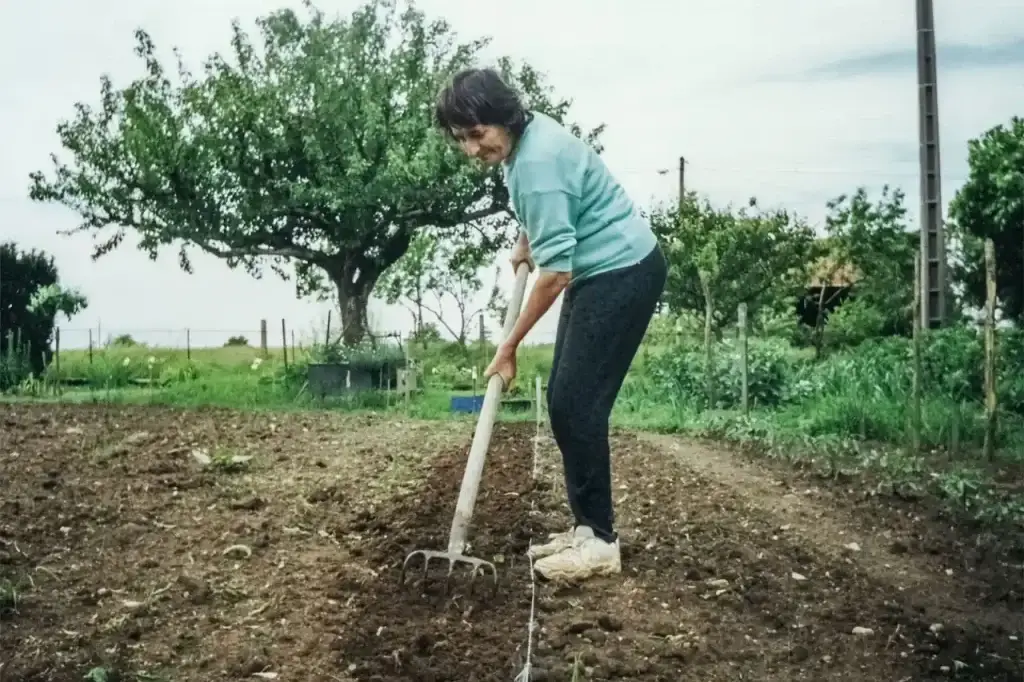
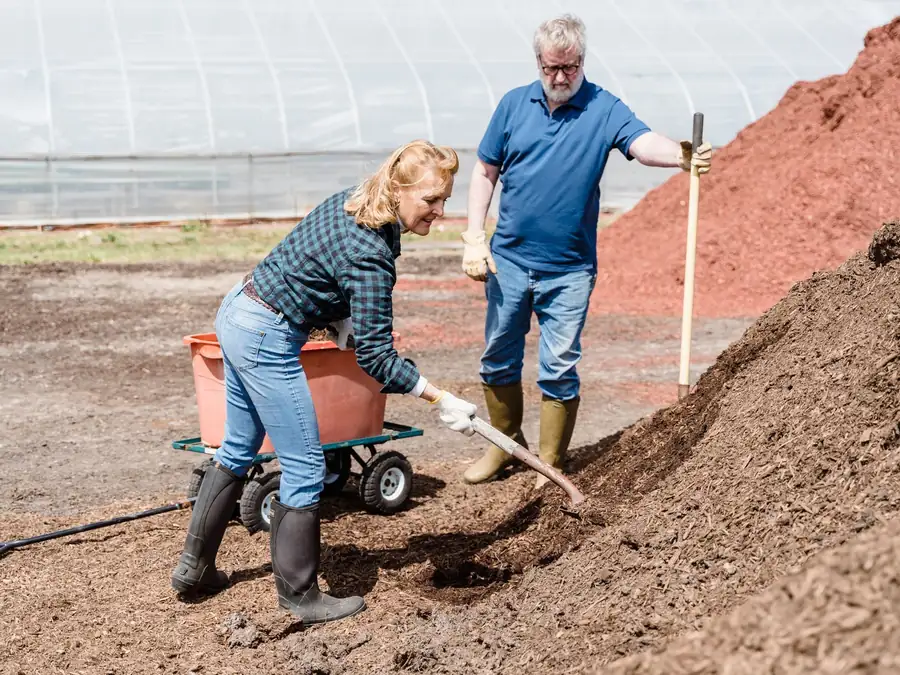
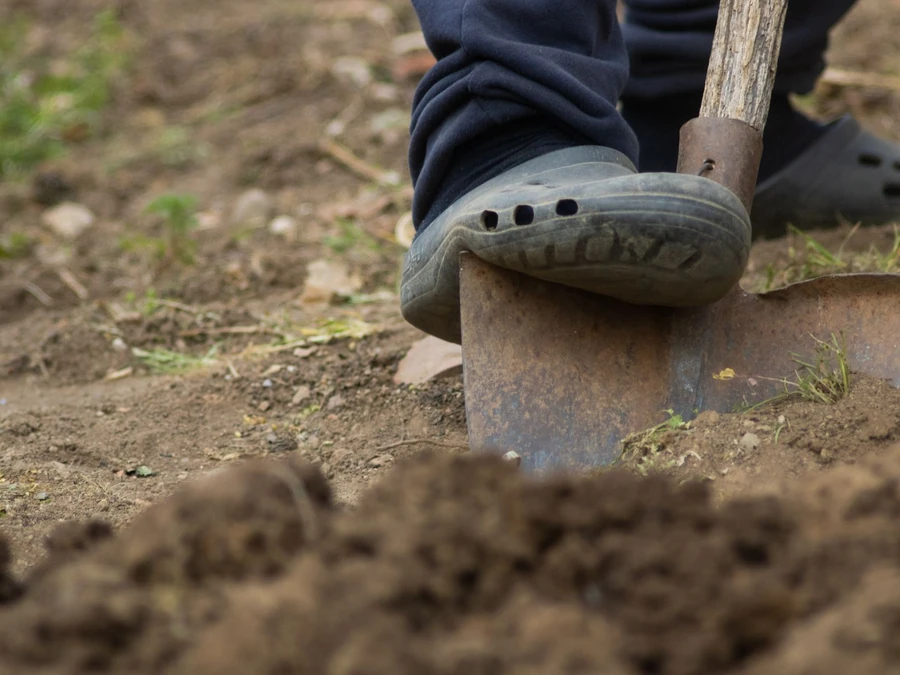
Grading is often needed when one part of the yard sits too low, water keeps collecting beside hardscape, or the lawn slopes toward the wrong area. The work may involve removing soil, adding soil, or redistributing it so runoff keeps moving without leaving new humps or depressions.
The finished ground also has to fit what already exists. Foundations, patios, walks, driveways, fences, and drainage paths create elevations the new surface needs to meet cleanly. Good grading improves water flow without making the yard harder to mow, plant, walk across, or use.
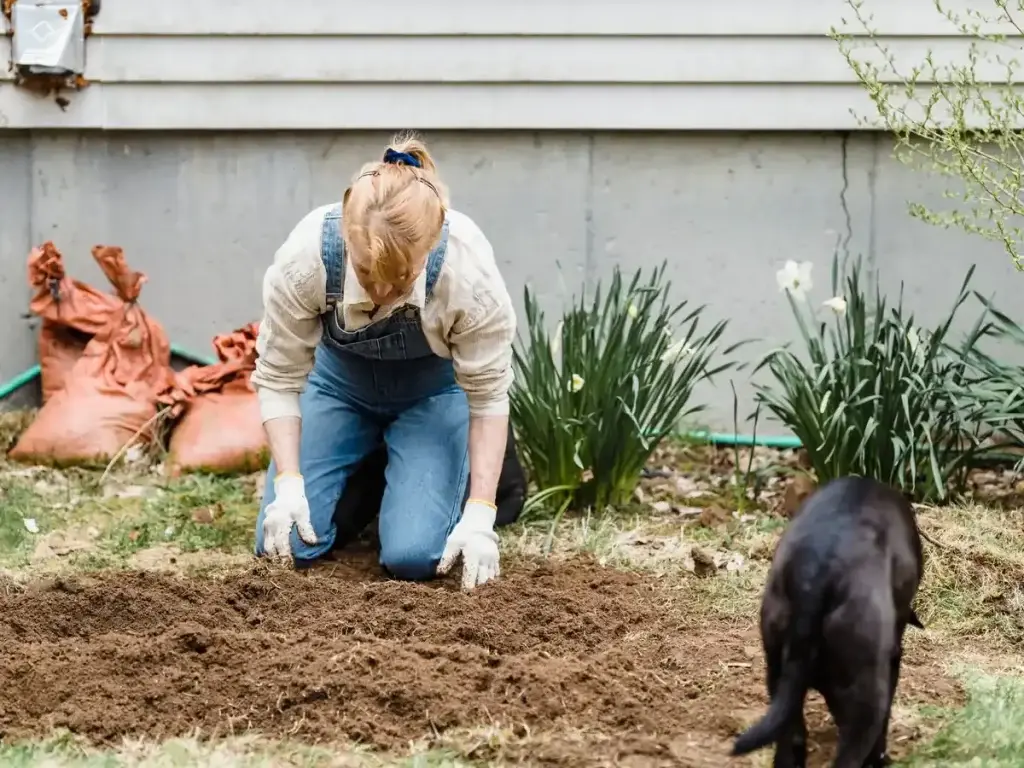
Few yards need every elevation changed. Grading usually targets specific places where soil has settled, runoff is being trapped, or one surface no longer meets another properly. The goal is to correct those relationships while keeping the rest of the property practical and easy to use.
A depression that repeatedly holds rain often needs more than a thin layer of topsoil. The surrounding grade must allow water to continue past the area instead of collecting there again.
Soil beside the house should carry surface runoff away rather than form a trough against the foundation. Settled ground here often needs a deliberate elevation change.
The lawn beside a patio needs to meet the hardscape without trapping runoff along its perimeter. Soil can be raised or lowered to improve that transition.
Ground beside a driveway should receive pavement runoff without turning into a long muddy strip. Finished soil height influences whether water continues across the lawn or stops.
Narrow side yards leave little room for abrupt grade changes. Small depressions, neighboring elevations, fences, and building edges all influence how smoothly water can move through them.
A swale needs a continuous low route. Added fill, mulch, landscape features, or settlement can interrupt that path and leave water sitting farther uphill.
Some slopes drain well but are uncomfortable to mow, walk across, or landscape. Regrading can soften the transition when enough horizontal space is available.
Previously disturbed ground can sink unevenly after construction or utility work. Landscape grading services in Palatine, IL can restore those areas without flattening the drainage route around them.
Sod, seed, planting beds, and hardscape all perform better when the ground beneath them already has the intended elevation instead of relying on finish materials to hide uneven grade.
A low area often makes homeowners think more dirt is automatically needed. Sometimes it is. Other times, adding fill blocks a swale, raises soil too high beside hardscape, or creates a ridge that sends runoff somewhere worse. Grading works by moving soil with a purpose, not simply increasing the amount on site.
Fill helps where an area genuinely needs more elevation to eliminate an unwanted depression or create a smoother transition into surrounding grade. The added soil still needs somewhere to drain.
A high ridge can stop runoff just as effectively as a low spot can collect it. Removing soil may reopen a drainage route without raising the rest of the yard.
A swale that has been filled or flattened can stop carrying water. Restoring its lower path may require removing material rather than spreading more soil across the wet area.
If a large elevation change has to occur over a short distance, spreading the soil into a steep slope may consume too much yard. Retaining wall installation services can create a more defined grade transition where appropriate.
Homeowners often ask to “level” a yard when what they actually need is better grading. The goals are not always the same. Leveling smooths unwanted bumps and dips, while drainage grading deliberately keeps enough elevation change for rainfall to continue moving instead of settling in the lawn.
Yard Decision
Yard Leveling
Drainage Grading
Main Goal
Smooth Uneven Ground
Direct Surface Runoff
Finished Shape
More Uniform Surface
Deliberate Highs And Lows
Low Areas
Smoothed Or Filled
Reshaped Around Water Flow
High Areas
Reduced For Comfort
Used To Direct Runoff
Drainage Role
Secondary
Central To The Work
Main Question
Is The Yard Even?
Where Will Rainfall Go?
A yard can look smooth and still drain poorly. Removing every visible dip without understanding the surrounding flow line can flatten a swale, trap water beside hardscape, or create a new low point elsewhere.
Moving soil changes where rainfall travels. Before that happens, the yard needs to be read as a complete surface so fixing one low spot does not create another drainage problem several feet away.
We look at where the lawn rises, dips, meets hardscape, and carries rain before deciding which sections actually need their elevations changed.
Foundation edges, patios, walks, driveways, property boundaries, and drainage routes establish the heights the new lawn needs to meet without creating abrupt transitions.
High areas are cut down and low areas are raised only where those changes improve the intended slope rather than spreading fill evenly across the property.
R and R Landscaping and Design checks the reshaped surface for depressions, blocked swales, and runoff directed toward buildings or neighboring areas before final surface preparation.
Topsoil and final smoothing preserve the corrected elevations so seed, sod, planting, or other landscape improvements begin over ground that already works properly.
Palatine Grading Note: Most residential regrading projects require a permit, including drainage work that changes existing ground elevations.
No. Leveling mainly smooths bumps and depressions, while grading deliberately changes elevation to control slope and runoff. A well-graded lawn is rarely perfectly flat because it still needs enough fall to move rainfall away from buildings, hardscape, and low areas instead of allowing water to sit.
Not always. Adding soil can raise a depression, but it can also block the low route water was using to leave the yard. If the surrounding ground keeps directing runoff toward that spot, simply filling it may relocate the puddle. The incoming slope and downstream route need to be considered together.
A lawn does not need to feel steep to move water. Even a gradual, continuous fall can provide surface drainage when it runs in the correct direction. The required slope depends on the distance available, surrounding elevations, erosion risk, hardscape connections, and where runoff can continue after crossing the lawn.
Grading can help when the ground beside the house has settled or slopes toward the foundation. Raising that area and creating positive fall away from the building redirects surface runoff. Water from roof discharge, subsurface seepage, or another drainage source may require more than changing the soil elevation.
Most regrading requires a residential permit in Palatine, and drainage projects involving grading or regrading also fall within the Village’s permit requirements. Landscape grading services in Palatine, IL should therefore account for the planned elevation changes and drainage impact before significant soil movement begins.
Grading needs enough horizontal distance to spread an elevation change into a usable slope. When a large rise or drop has to occur within limited space, a retaining wall may create the transition without extending a steep soil bank across more of the yard. Height, loads, drainage, and site conditions also matter.
Stand back and read the finished ground as one surface. Notice how the lawn falls away from the house, meets patios and walks, passes through low drainage routes, and continues toward the outer parts of the property.
Changing the ground profile often solves only one part of the project. Persistent wet areas, finished lawn, and broader water-management work may need attention after you correct the elevations.
If the corrected grade still leaves broader lawn areas saturated, yard drainage services address recurring wet ground beyond the surface reshaping.
Once the ground reaches its finished elevations, landscape installation services can rebuild the lawn, planting beds, and other landscape features over the prepared site.
Where runoff also needs collection, buried piping, or discharge work, drainage services extend the project beyond grading alone.
Low spots, awkward slopes, and uneven ground affect more than appearance. Regrading gives lawn, drainage, planting, and future hardscape a better foundation while making the yard easier to mow, walk across, and use.