
Mon–Fri 7 am–6 pm, Sat 7 am–12 pm, Sun closed
Landscape maintenance in Palatine, IL controls those changes through pruning, trimming, seasonal cleanup, plant care, and garden upkeep. R and R Landscaping and Design maintains established planting areas according to actual growth, branch condition, seasonal debris, and the changing condition of landscape beds.
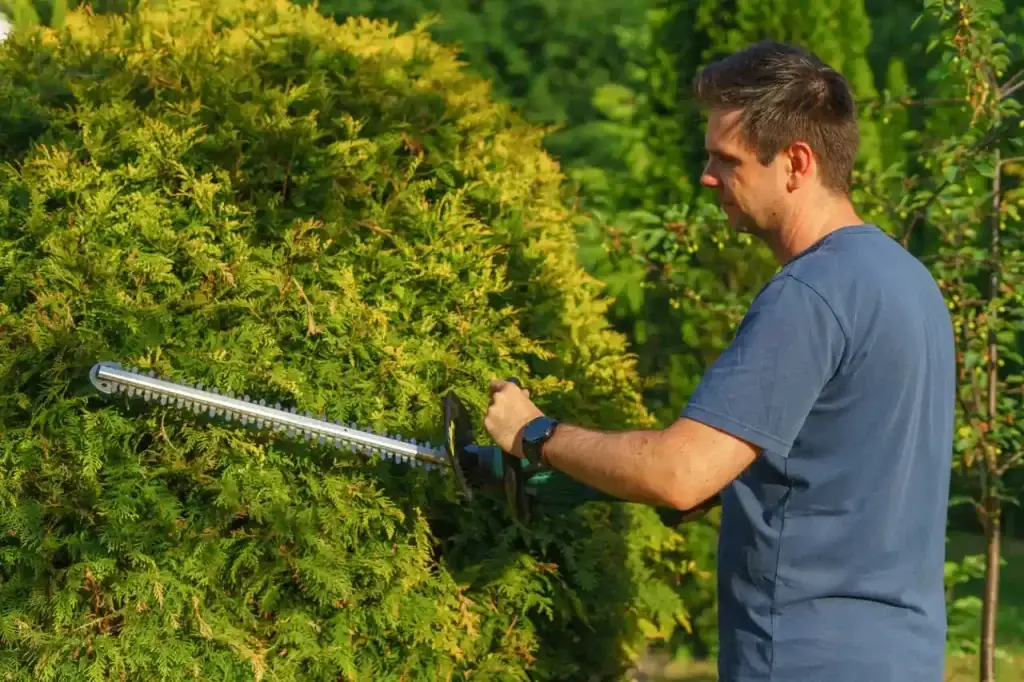
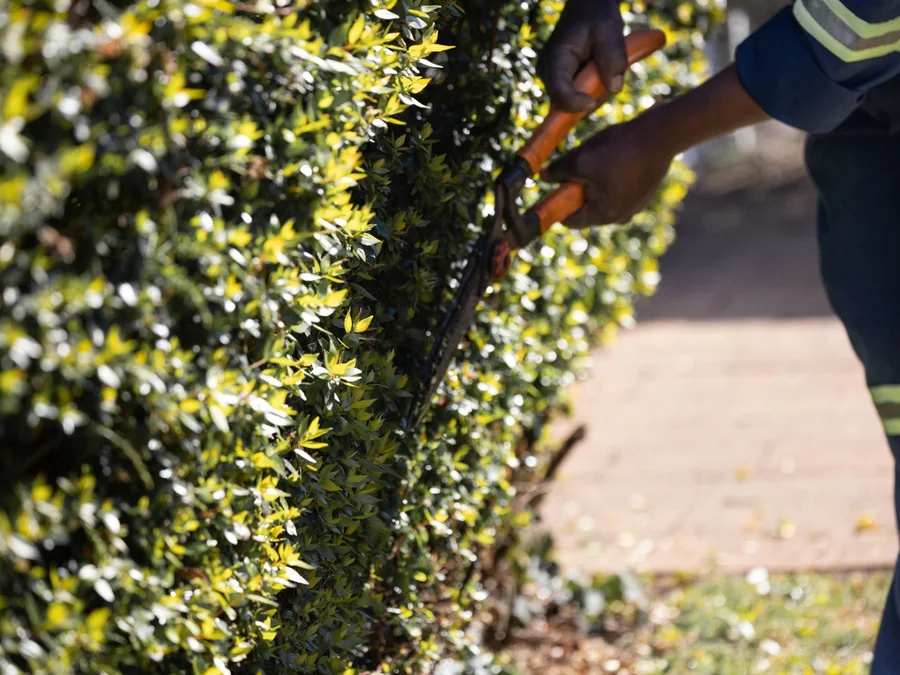
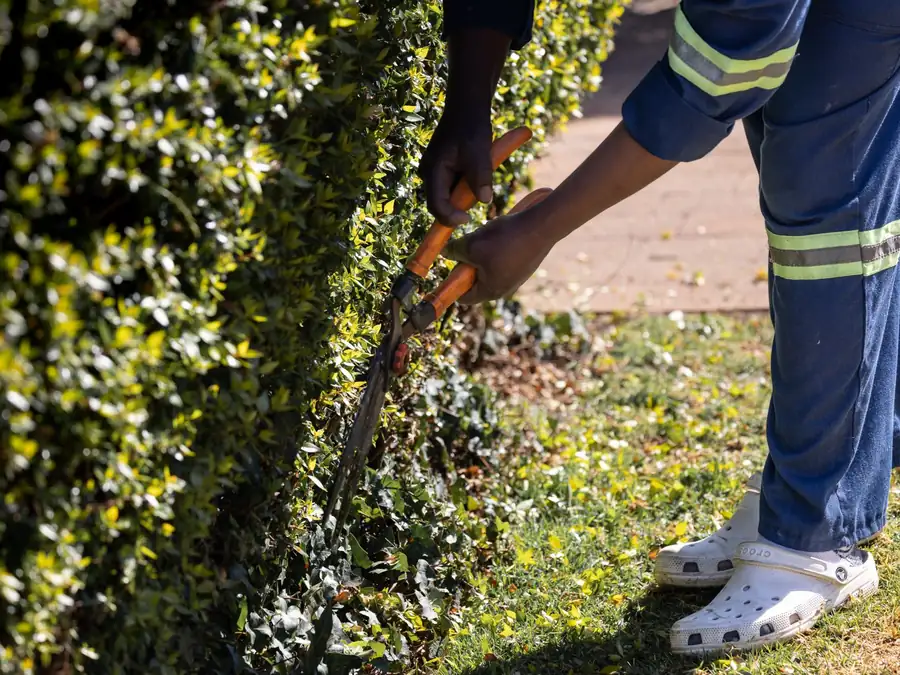
Shrubs keep extending, perennial growth dies back, leaves settle into planting beds, and hedge lines gradually lose definition. Landscape upkeep begins where lawn care stops. Shrubs need selective pruning, hedges need controlled trimming, perennial foliage eventually needs cutback, and planting beds collect leaves, stems, weeds, and other debris as the growing season moves forward.
Palatine landscapes also pass through snow, freezing temperatures, spring regrowth, summer expansion, and heavy fall leaf accumulation. Maintenance therefore changes by season instead of treating every shrub, perennial, hedge, and garden bed with the same work at every visit.
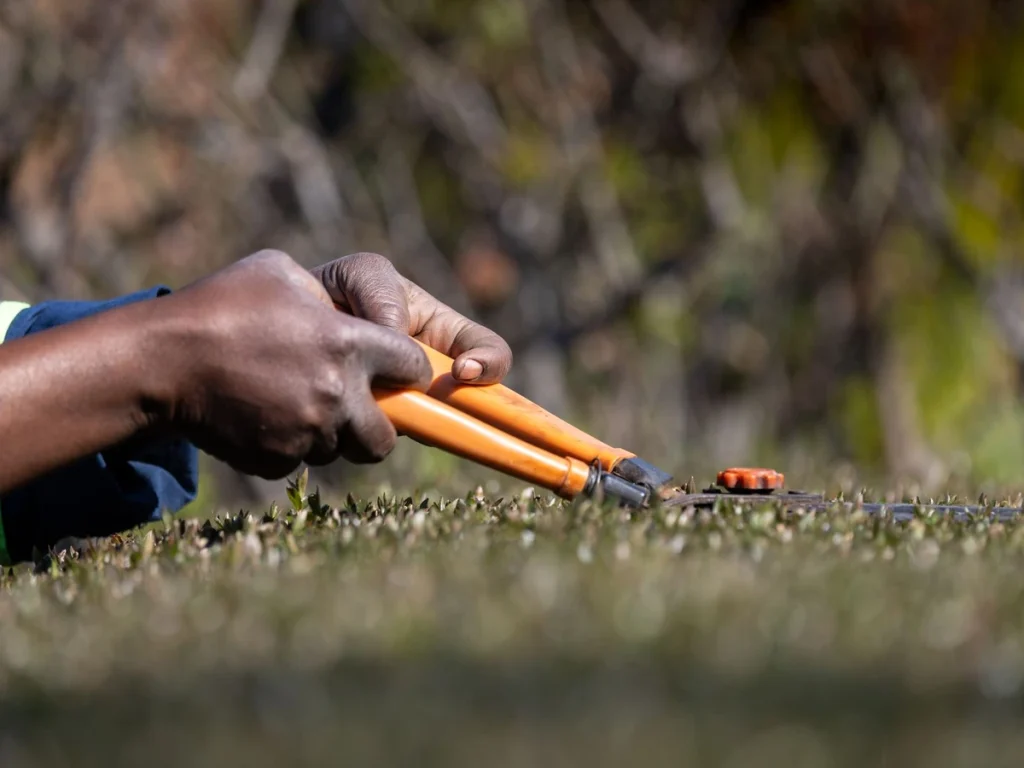
An overgrown hedge, a flowering shrub with crossing branches, collapsed perennial foliage, compacted mulch, and a leaf-filled bed do not call for the same maintenance method. Established landscapes need work matched to the plant structure, growth pattern, season, and condition of each planted area. Use our mulch installation services when beds need fresh material after cleanup and preparation.
Branches rubbing through the shrub interior can be selectively removed to reduce crowding while preserving healthy stems and the plant’s natural framework.
Formal hedges need height and width controlled before new growth closes over walkways, windows, bed edges, or neighboring landscape features.
Spring-flowering shrubs set buds on older growth, so pruning too early can remove flowers before they open. Timing follows the plant’s bloom cycle.
Spent perennial stems and foliage can be cut back when appropriate without scraping across crowns or damaging new shoots developing underneath old growth.
Fall landscape maintenance in Palatine, IL includes clearing leaves from planting areas while keeping leaf piles separate from branches, grass clippings, dirt, and other debris where Village collection is used.
Broken stems, dead tips, and damaged branches often become more visible after winter, allowing maintenance to separate healthy growth from material that should be removed.
Older mulch can crust, thin unevenly, or accumulate from repeated additions. Existing depth and condition should be checked before another layer is spread.
Lawn creep, expanding perennials, mulch movement, and ordinary weather gradually blur planting-bed boundaries. Re-establishing the edge keeps turf and planted areas physically separated.
Mature shrubs and perennials can outgrow the space originally assigned to them, creating overlap that pruning alone does not always solve permanently.
Making a shrub smaller and maintaining it correctly are not always the same task. Pruning can remove deadwood, thin crowded branches, redirect growth, or preserve flowering wood. Shearing removes exterior growth more uniformly and is better reserved for plants intentionally maintained as formal hedges.
Individual branches can be removed back to a suitable branch, bud, or point of origin where deadwood, rubbing growth, crowding, or poor structure needs correction.
Landscape maintenance in Palatine, IL has to account for flowering cycles. Spring bloomers such as lilac and forsythia generally should be pruned after flowering because their buds formed on the previous year’s growth.
Repeated surface shearing can create dense outer growth while reducing foliage and flowering inside many shrubs. Selective pruning better preserves natural branch structure when a formal hedge shape is not the goal.
With R and R Landscaping and Design, Rick helps distinguish normal seasonal growth from overgrowth, dead material, hedge encroachment, bed neglect, or planting areas that need more than routine upkeep.
Both methods remove growth, but they solve different maintenance problems. Selective pruning works through individual branches to improve structure or reduce specific growth, while hedge shearing trims the outer surface to maintain a deliberately uniform height, width, and profile. Illinois Extension advises against routinely shearing most shrubs because repeated surface cutting can reduce natural form, interior foliage, and flowering. Shearing is more appropriate for formal hedges such as yew, boxwood, and arborvitae.
Maintenance Decision
Selective Pruning
Hedge Shearing
Primary Purpose
Improve Branch Structure
Maintain Formal Outline
Growth Removed
Selected Individual Branches
Outer Surface Growth
Best Suited To
Natural-Form Shrubs
Formal Hedge Plants
Flowering Impact
Timing Can Preserve Buds
May Remove Flowering Wood
Appropriate When
Deadwood, Crowding, Crossing
Height And Width Need Control
Landscape maintenance creates its own debris. Pruned branches, hedge clippings, spent perennial growth, and fallen leaves should be removed before mulch condition and bed edges are evaluated. R and R Landscaping and Design works through planted areas in an order that keeps later cleanup from repeating earlier work.
Shrubs, hedges, perennial beds, winter damage, encroaching growth, leaves, and accumulated debris are reviewed before cutting begins.
Dead, crossing, damaged, or excessive growth is removed according to plant form, branch condition, and flowering habit.
Spent or collapsed perennial material is cleared where seasonally appropriate while crowns and emerging shoots remain protected.
Leaves, cut stems, twigs, hedge clippings, and other loose material are removed after pruning so the actual bed surface becomes visible.
Mulch depth, exposed soil, bed boundaries, and plant encroachment are checked after cleanup so the maintained planting area is clearly defined.
Pro Tip: Organic mulch around established landscape plants is commonly maintained at about 2 to 4 inches deep. Keep mulch away from trunks and crowns, and check existing depth before adding more so repeated applications do not create excessive buildup.
Spring-flowering shrubs such as lilac and forsythia generally should be pruned shortly after they finish blooming because they flower on wood produced the previous year. Pruning them in fall, winter, or very early spring can remove existing flower buds and reduce the following bloom display.
No. Many shrubs benefit more from selective pruning that removes individual dead, crossing, crowded, or poorly positioned branches while preserving natural structure. Illinois Extension recommends reserving repeated shearing mainly for formal hedges, because shearing other shrubs can create dense exterior growth and reduce interior foliage and flowers.
A common target for organic mulch is roughly 2 to 4 inches, depending on material and site conditions. Existing mulch should be checked before another layer is added. Keep it away from trunks and plant crowns because excessive buildup against plant tissue can trap moisture and contribute to problems.
Spring cleanup can include removing leftover leaves and winter debris, identifying broken or dead growth, cutting back appropriate perennial material, checking mulch and bed edges, and inspecting shrubs before pruning. Cleanup around emerging perennials should be careful because new buds may be hidden beneath old foliage or debris.
Palatine’s seasonal leaf program requires leaves to be placed according to the property’s scheduled collection period and kept separate from grass clippings, branches, dirt, and other debris. Landscaping contractors must follow the same timing rules or haul leaves away when cleanup occurs earlier than the permitted curb-placement window.
Finished maintenance should show controlled shrub growth, cleaner branching, defined hedge lines, cleared planting beds, visible bed edges, appropriate mulch coverage, and fewer leaves or spent stems obscuring established plants.
Pruning and cleanup preserve established landscape areas, but maintenance cannot replace missing plants, correct broader site problems, or indefinitely restore beds where materials and planting have reached the end of their useful condition.
Routine upkeep only goes so far when the yard itself needs to change. Broader landscaping services cover grading, drainage, lawn improvements, and other work outside regular maintenance.
When the beds and shrubs are under control, but the turf needs recurring attention, lawn care services focus on mowing, fertilization, seasonal lawn needs, and ongoing grass condition.
Some beds reach a point where pruning and cleanup will not restore what is missing. Planting services introduce new plant material where gaps, decline, or a redesigned bed call for replacement or additions.
If shrubs are closing over walkways, hedge lines have expanded, perennial growth has collapsed, or planting beds are collecting seasonal debris, R and R Landscaping and Design can restore control through pruning, trimming, cleanup, and continued landscape upkeep.