
Mon–Fri 7 am–6 pm, Sat 7 am–12 pm, Sun closed
Beds do not automatically need another full layer because last year’s mulch has faded. Mulch installation services in Palatine, IL should start by checking existing depth, exposed soil, weeds, plant bases, and how much fresh material the bed actually needs.
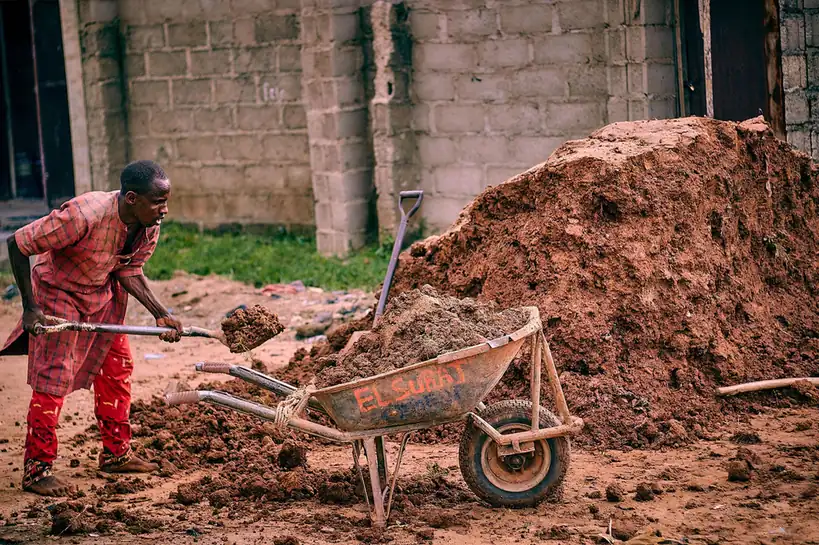
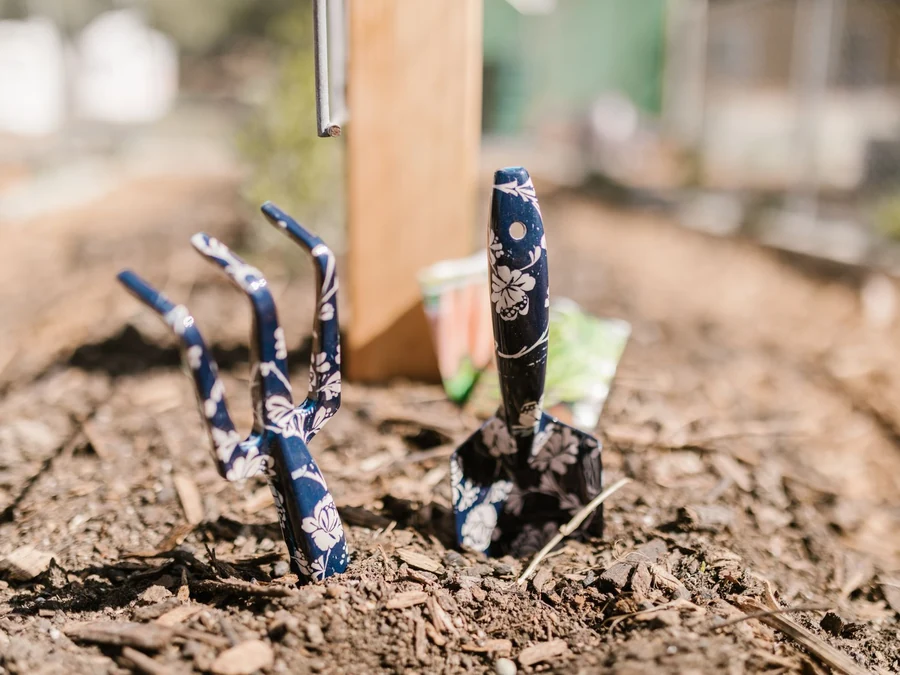

A mulch bed changes as organic material decomposes, settles, shifts toward the edges, and becomes mixed with leaves or soil. Some areas eventually expose bare ground while others still hold several inches of usable material. Adding the same new depth everywhere ignores those differences and gradually creates excessive buildup.
R and R Landscaping and Design approaches mulching as bed-surface management rather than a volume contest. Existing material is checked first, weeds and debris are addressed, boundaries are cleaned up, and fresh mulch is added where the final bed actually needs more coverage. Palatine itself uses wood mulch in municipal landscape beds and notes that mulch helps retain soil moisture, inhibit weeds, moderate temperature extremes, reduce erosion, and limit soil compaction.
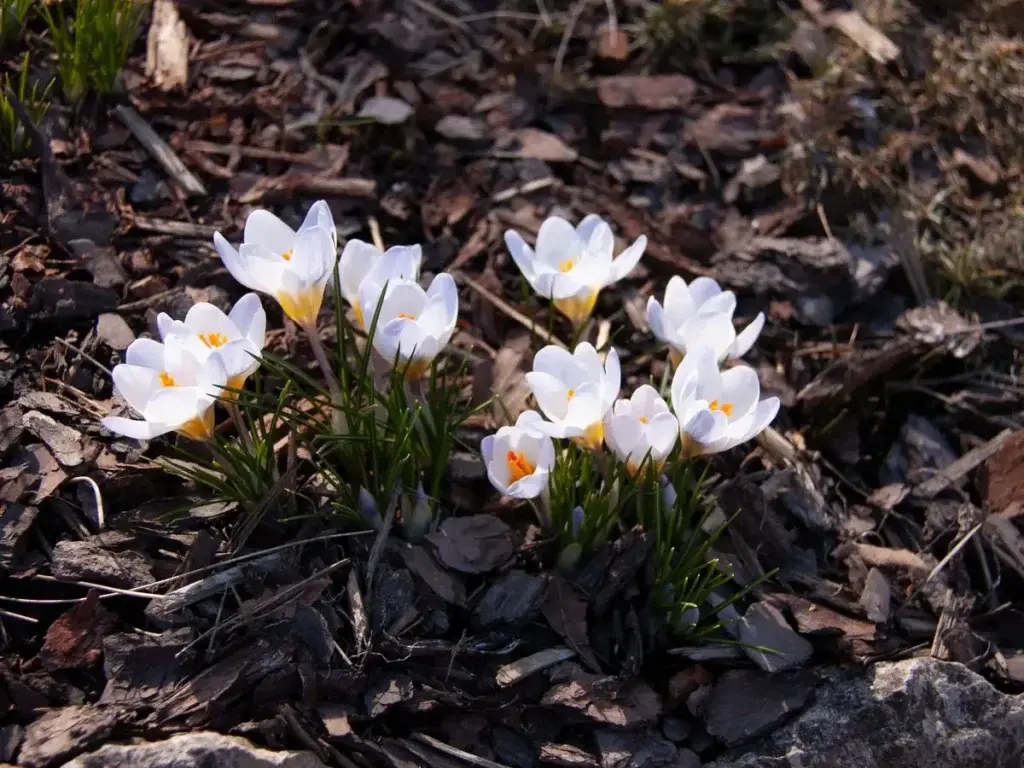
A finished mulch bed has several physical interfaces: soil underneath, remaining organic material, plant stems and crowns, tree trunks, lawn edges, paved boundaries, and the new surface layer. Proper installation manages each one instead of treating the bed as an empty area to fill.
Bare or exposed soil shows where mulch has decomposed, shifted, or become too thin. The soil surface should also be visible enough during preparation to identify weeds, debris, and irregular bed conditions before they disappear beneath fresh material.
Established weeds are removed before coverage is restored. Mulch reduces light reaching the soil surface and suppresses many new weed seedlings, but it does not eliminate established perennial roots already growing through the bed.
Old organic mulch does not automatically need removal. Material that remains at a useful depth is loosened and redistributed, while compacted or heavily matted areas are broken apart before additional material is considered.
Old and new material combine to create the finished depth. The target applies to the total mulch layer, not the amount added every season. Illinois Extension commonly recommends roughly 2 to 4 inches of organic mulch around established landscape plants.
Mulch covers the soil above plant roots, where it slows surface moisture loss and reduces rapid temperature swings. The material belongs across the root-zone surface rather than concentrated into deep piles close to stems or trunks.
The lower trunk and root flare stay visible instead of disappearing inside a mound. Illinois Extension recommends leaving clearance between mulch and tree trunks because material piled against bark holds moisture where it does not belong and encourages decay.
Perennial crowns and shrub stem bases remain exposed. Fresh mulch is tapered away from emerging shoots and woody stems so a soil-cover material does not become a layer sitting directly against living plant tissue.
The outside edge establishes where mulch stops against lawn, sidewalks, driveways, patios, or other surfaces. A defined perimeter limits spillover and gives the completed bed a controlled boundary rather than an irregular mulch line.
The last pass redistributes material across thin areas, removes isolated piles, and creates consistent coverage from the outer edge toward plants. The result should show one controlled layer instead of separate dumping points.
Incorrect mulching often comes from treating more material as automatically better. Deep annual top-ups, mulch packed against trunks, covered perennial crowns, and uneven spreading all create conditions that proper installation should prevent.
A cone of mulch against a tree trunk traps moisture against bark and hides the base of the tree. Illinois Extension recommends mulching the root zone while maintaining a clear gap around the trunk instead.
Shrub stems and perennial crowns should not be covered simply to make the surface look uniformly deep. The mulch layer tapers around plant bases while remaining consistent across open soil.
Adding another full layer every year without checking what remains underneath gradually creates excessive depth. R and R Landscaping and Design considers the usable existing material beforehand.
Deep piles beside thin exposed areas create inconsistent moisture retention, weed suppression, and appearance. Distribution matters as much as the amount of material brought onto the property.
Pull the mulch apart and look at what remains before ordering another layer. A bed with adequate depth but a faded or crusted surface needs loosening and redistribution. A bed showing exposed soil, significant decomposition, or missing coverage needs additional material.
Bed Decision
Rake Existing Mulch
Add Fresh Mulch
Existing Material
Adequate Depth Remains
Layer Has Become Too Thin
Soil Visibility
Mostly Covered
Bare Areas Showing
Surface Problem
Faded, Crusted, Or Matted
Coverage Has Broken Down
Material Added
Little Or None
Only Needed Depth Restored
Main Objective
Redistribute Existing Layer
Rebuild Protective Coverage
Risk To Avoid
Leaving Surface Compacted
Excessive Annual Buildup
This is where mulch installation services in Palatine, IL should become a quantity decision rather than an automatic yearly top-up. Illinois Extension specifically recommends checking current depth and raking existing mulch when adequate coverage remains.
The installation process starts with quantity, not spreading. Bed area and existing depth determine how much material is required, while weeds, surface condition, plant bases, and edges determine the preparation that happens before fresh mulch reaches the bed.
Bed dimensions and existing coverage establish the approximate volume required. Open soil needs more fresh material than sections already holding a usable mulch layer.
Leaves, loose debris, weeds, and obvious buildup are addressed so the condition underneath is visible. Existing mulch is loosened where matting has created a hard surface.
Lawn growth and loose material are cleared from bed margins so the finished mulch surface has a defined stopping point against grass, paving, and adjoining landscape areas.
Fresh material is moved through the bed in controlled quantities rather than left in large piles that must later be dragged through plants. Thin sections receive the material needed to restore the final layer.
The completed surface is leveled, excess buildup is corrected, and mulch is pulled away from tree trunks, shrub stems, and perennial crowns. Suitable mulch installation services quality in Palatine, IL is actually determined at the finished depth.
Pro Tip: Palatine’s municipal mulch program uses a practical coverage estimate: 1 cubic yard covers about 100 square feet at 3 inches deep. Existing mulch reduces the amount of fresh material required, so measuring depth before ordering prevents unnecessary volume.
Mulch suppresses many weeds by reducing the light available at the soil surface, but it does not sterilize the bed. Established perennial weeds should be removed before spreading, while new windblown weed seeds still require occasional control as organic mulch ages and accumulates fine material.
Both seasons work when the bed actually needs material. Spring is convenient for breaking up winter-matted mulch and restoring coverage before warmer conditions, while fall mulch helps moderate root-zone temperature changes heading into winter. Existing depth should determine whether fresh material is added in either season.
Measure the bed’s square footage and decide how much additional depth is actually needed. As a local reference, Palatine states that one cubic yard covers roughly a 10-by-10-foot area at 3 inches deep. Beds already holding usable material need less than completely bare soil.
No. Organic mulch that remains at an appropriate depth can usually stay. Loosen crusted or matted areas and redistribute the existing material before adding more. Full removal is unnecessary simply because the surface has faded; the important issue is total depth and bed condition.
Illinois Extension commonly recommends a total organic mulch depth of about 2 to 4 inches. Keep the material away from the trunk instead of forming a mound around the base. Existing depth counts toward that total, so do not add another 2 to 4 inches automatically.
Finished work should show consistent surface depth, visible tree bases, uncovered perennial crowns, defined lawn and pavement edges, no volcano-shaped piles, and enough material to cover soil without burying established plants.
Fresh mulch only changes the soil-cover layer. Overgrown shrubs, missing plants, drainage problems, or bed redesign require different work, so those conditions should not be disguised beneath another layer of material.
Choose landscape maintenance services when shrubs need pruning, perennials need cutback, or seasonal debris needs removal before the bed surface is refreshed.
You can call us for planting services when empty spaces, declined plants, or new bed areas need plant material before the final mulch layer is installed.
Use professional landscaping services when the problem involves grading, drainage, lawn transitions, bed expansion, or a broader property change rather than mulch depth alone.
Existing depth changes the amount of material the job requires. R and R Landscaping and Design can evaluate bed area, old mulch, weed cleanup, edging, plant clearance, and fresh coverage before pricing the installation.