
Mon–Fri 7 am–6 pm, Sat 7 am–12 pm, Sun closed
Bare soil, failed grass, and patchy turf need more than a cosmetic cover. Sod installation services in Palatine, IL create immediate lawn coverage after the existing surface, finished grade, and soil bed are prepared for new roots.
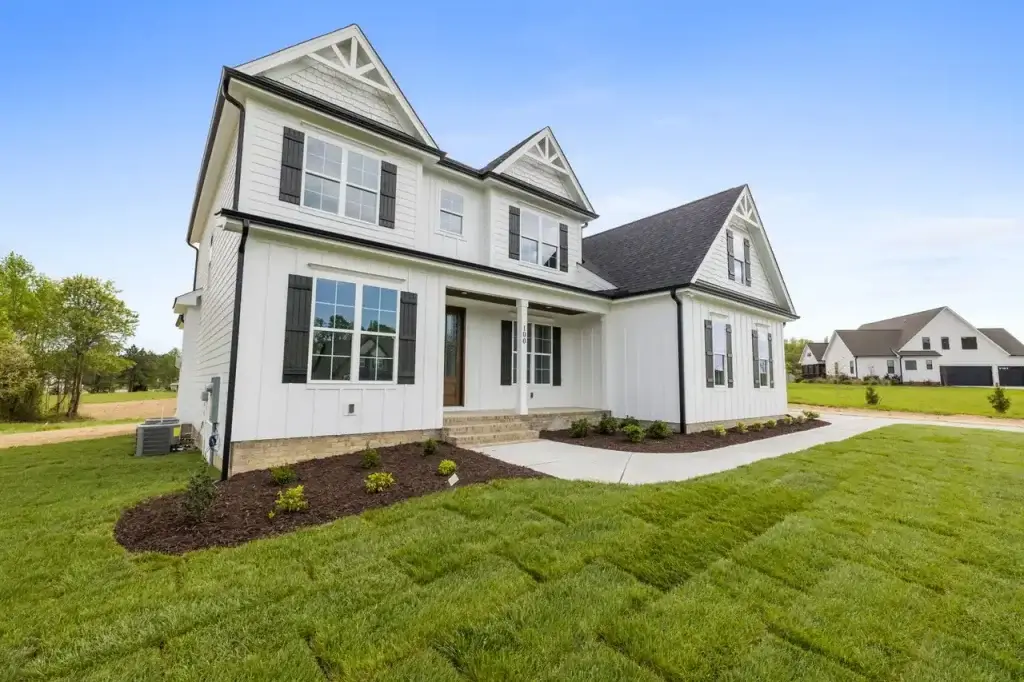
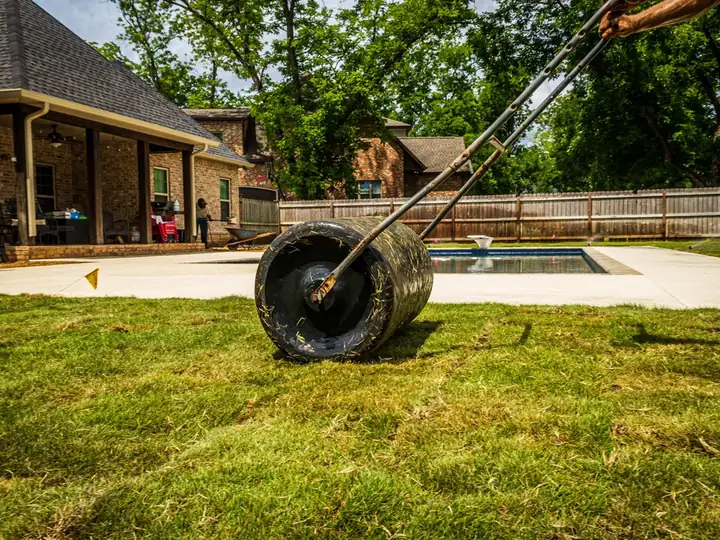
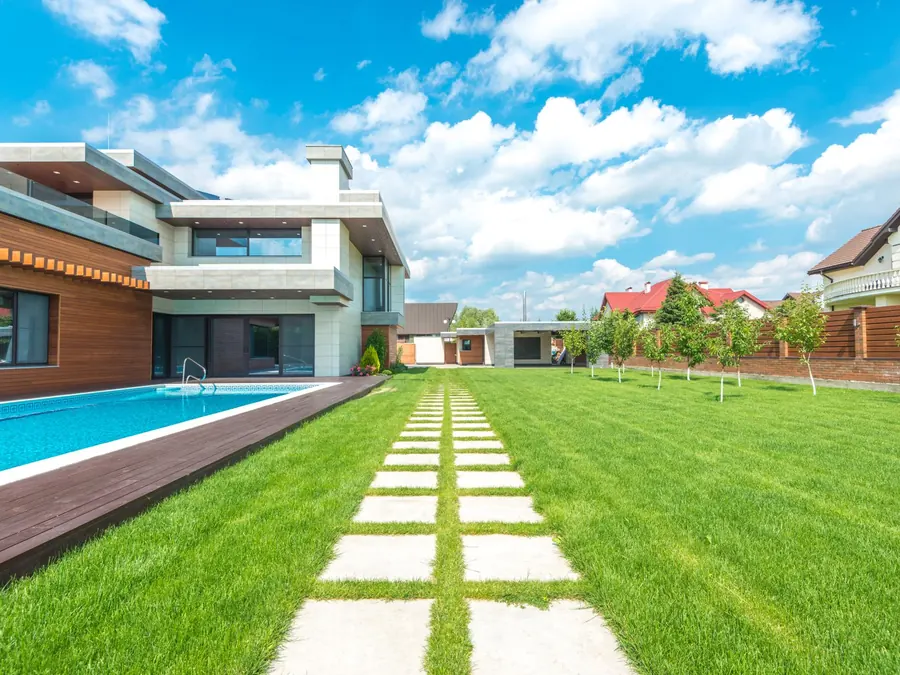
R and R Landscaping and Design handles lawn replacement from existing-turf removal through sod placement, initial watering, and the transition into early root establishment. New sod follows whatever sits beneath it. Depressions remain depressions, poorly prepared soil limits root contact, and uneven transitions remain visible after the rolls are installed. Proper lawn replacement therefore starts with the failed surface and soil bed rather than the green turf delivered to the property.
A bare graded area needs different preparation from an established lawn being replaced. Old turf, weeds, loose debris, compacted soil, low spots, and adjoining pavement elevations all affect how the new surface is prepared before the first roll is laid.
Palatine spring conditions make that preparation especially important. The Village notes that rain, melting snow, and frozen ground often leave yards saturated and soggy. Illinois Extension advises against working soil when it is excessively wet because tillage damages soil structure and creates later problems with air, water retention, and drainage.
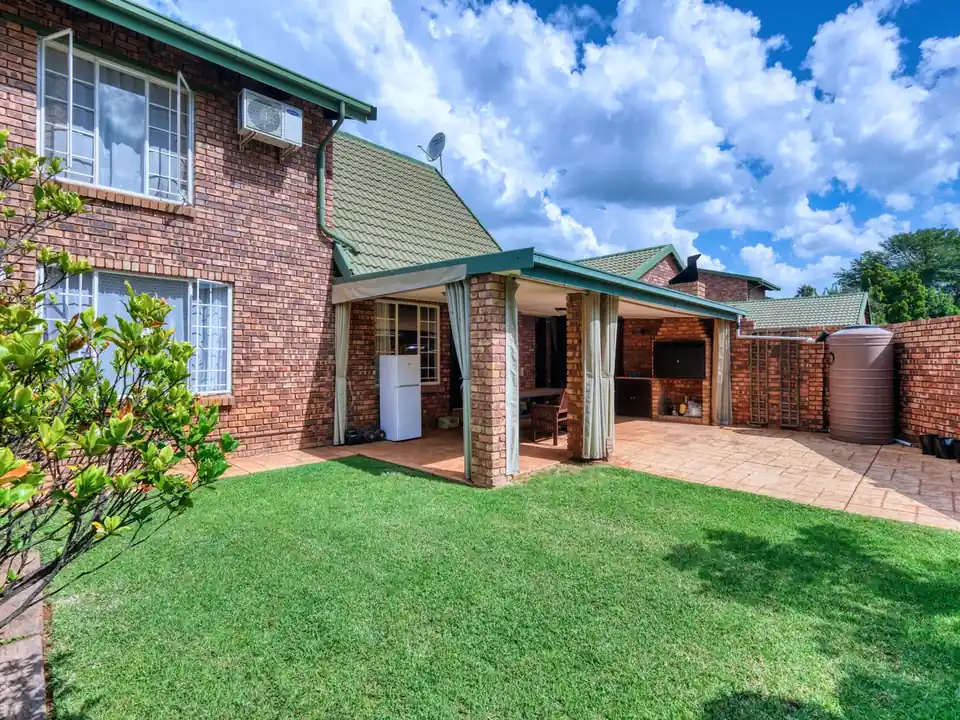
Fresh turf needs a firm, prepared root zone beneath every roll. Successful residential sod installation depends on removing unsuitable surface material, establishing the finished grade, preparing the soil bed, selecting turf appropriate to the site, fitting seams tightly, and delivering water through the sod into the soil below.
Failed grass, weeds, loose organic material, and debris are removed from replacement areas so fresh sod rests against prepared soil rather than a decomposing lawn surface.
The soil surface is shaped before turf installation to remove depressions, high areas, and rough transitions. Illinois Extension recommends establishing final grade before sodding because surface irregularities remain visible once turf covers them.
The upper soil surface is opened and prepared so developing roots enter soil instead of sitting over crusted, compacted, or debris-filled ground. Preparation also provides the opportunity to correct soil issues before turf hides the surface.
A sod bed should be firm enough that normal walking does not leave deep footprints. One quality-control point in sod installation services in Palatine, IL is eliminating loose depressions before turf placement because footprints underneath sod become permanent uneven spots.
Grass type should fit light exposure, expected traffic, maintenance level, and site conditions. Illinois Extension notes that Kentucky bluegrass, perennial ryegrass, tall fescue, and fine fescue differ in shade tolerance, wear response, establishment, and maintenance requirements.
Where lawn meets sidewalks, driveways, patios, or other paving, soil elevation needs to account for sod thickness. Proper edge preparation keeps roots below the paved surface instead of leaving turf edges raised and exposed.
Sod rolls are fitted tightly without stretching or open gaps, while end joints are staggered rather than aligned across the lawn. This brick-like pattern reduces continuous seam lines through the finished turf.
Every roll needs continuous contact with the prepared surface underneath. Air gaps, loose soil, or uneven ground interrupt the interface where new roots leave the sod layer and enter the site soil.
Water must pass through the installed sod and moisten the soil underneath it. Illinois Extension recommends deep initial watering followed by moisture checks beneath a lifted corner so the root zone stays moist rather than saturated.
The quality of a sod lawn is visible at the surface, but the important controls sit underneath and between the rolls. R and R Landscaping and Design focuses on the prepared soil bed, turf fit, grade transitions, and early establishment rather than treating sod as a green covering placed over existing problems.
Loose soil settles irregularly after installation. The finished surface is firm enough to support the sod while maintaining the prepared grade and continuous soil contact beneath the roots.
Adjacent rolls are fitted closely instead of stretched apart. Tight joints reduce exposed soil between pieces and help the installed lawn develop into a more continuous turf surface.
Sod is cut and fitted around planting beds, patios, walkways, driveways, and other fixed boundaries instead of leaving oversized pieces, exposed soil, or ragged turf transitions.
Installation does not end when the last roll is placed. Initial watering, moisture checks, rooting, first mowing, and the transition into normal lawn maintenance determine how the new turf moves from installed material to established grass.
Replacing several failed sections is different from stripping and rebuilding most of an existing lawn. The right scope depends on how much healthy turf remains, whether grade problems are localized or widespread, and how cleanly new sod can transition into the grass that stays. Where a new lawn borders new garden areas, our planting services address the planted side of that transition.
Decision Factor
Partial Sod Replacement
Full Lawn Re-Sodding
Existing Turf
Majority Worth Keeping
Widespread Failure
Removal Area
Defined Damaged Sections
Most Or All Project Turf
Grade Access
Localized Correction
Broader Surface Regrading
Main Challenge
Match Existing Turf Height
Build Uniform New Surface
Better Fit
Isolated Lawn Damage
Extensive Thin Or Bare Lawn
Partial replacement preserves usable lawn but requires careful elevation matching where new sod meets existing turf. Full re-sodding exposes more of the soil surface, making widespread depressions, uneven grade, and root-zone preparation easier to address before new grass covers the site.
Sod replacement follows a physical sequence because later work depends on the layer underneath it. Removing failed turf exposes the actual surface; grading corrects the shape; soil preparation establishes the root zone; and only then does the new turf go down.
Failed grass and unwanted surface material are removed from the defined replacement area so grading and soil preparation reach the actual ground underneath.
Low spots, raised areas, rough transitions, and drainage-related surface irregularities are addressed before turf installation locks those elevations beneath the new lawn.
The soil surface is opened, cleaned, shaped, and firmed for root contact. Preparation stops when the bed holds its final grade without deep footprints or loose depressions.
Fresh rolls are fitted tightly, seams are staggered, and pieces are cut cleanly around beds, pavement, and other fixed features instead of stretched into place.
The sod receives thorough initial watering so moisture reaches the soil below. Proper sod installation services in Palatine, IL then transition into moisture monitoring while roots begin anchoring into the prepared soil.
Pro Tip: Illinois Extension notes that properly installed sod ideally begins rooting into the soil within about 14 days. A gentle tug on a corner helps confirm whether roots have started anchoring before the lawn receives normal foot traffic and maintenance.
New sod needs contact with a prepared soil surface, not a layer of established or dying grass. Existing turf, weeds, and unsuitable surface material are removed from the replacement zone before soil preparation. Laying sod directly over old vegetation interferes with the continuous soil contact needed for reliable rooting.
Start with a thorough watering that carries moisture through the sod into the soil underneath. Afterward, check moisture by lifting a corner and feeling the root-zone soil. Keep that soil moist while roots establish, but avoid keeping the surface continuously saturated or waterlogged.
Illinois Extension states that sod ideally begins rooting within about 14 days, although temperature, moisture, season, and site conditions influence the actual rate. Gently tugging an edge provides a practical check: resistance indicates roots have begun growing from the sod into the prepared soil below.
Illinois Extension recommends mowing after the new grass reaches roughly 3 to 4 inches and the turf has begun rooting. Once mowing starts, avoid removing more than one-third of the blade height in a single cut. A sharp mower blade also reduces pulling on newly established turf.
Sod has a wider growing-season installation window than seed, but saturated spring soil should not be rushed into preparation. Palatine commonly experiences soggy ground from melting snow, rain, and frozen soil. Installation should begin when the soil is workable enough to grade and prepare without damaging its structure.
Completed sod work should show tight staggered joints, consistent turf elevation, clean cuts around beds, properly fitted pavement edges, and a surface without obvious footprints, gaps, humps, or depressions beneath the new grass.
Sod replacement sometimes sits inside a larger landscape project, while established turf eventually moves into regular maintenance. These related services address the work around the new lawn rather than repeating the sod installation itself.
Sod sometimes arrives near the end of a much larger yard change. Landscape installation services bring together new beds, planting, grading, and other landscape materials before the lawn completes the finished area.
New sod eventually stops being an installation project and becomes an established lawn. At that point, lawn care services take over the mowing, fertilization, seasonal attention, and routine turf maintenance.
A failing lawn is not always only a turf problem. Where drainage, grade, planting areas, or other parts of the yard also need attention, broader landscaping services address the property beyond the sod itself.
Tell R and R Landscaping and Design whether the problem affects several lawn sections or most of the yard. We can define turf removal, grading, soil preparation, edge conditions, sod quantity, and the installation scope before new grass goes down.