
Mon–Fri 7 am–6 pm, Sat 7 am–12 pm, Sun closed
Outdoor lighting should help you follow the path, notice the landscape, and enjoy the property after dark without making the whole yard glare. Landscape lighting service in Palatine, IL places LED fixtures where light matters and controls where each beam lands.
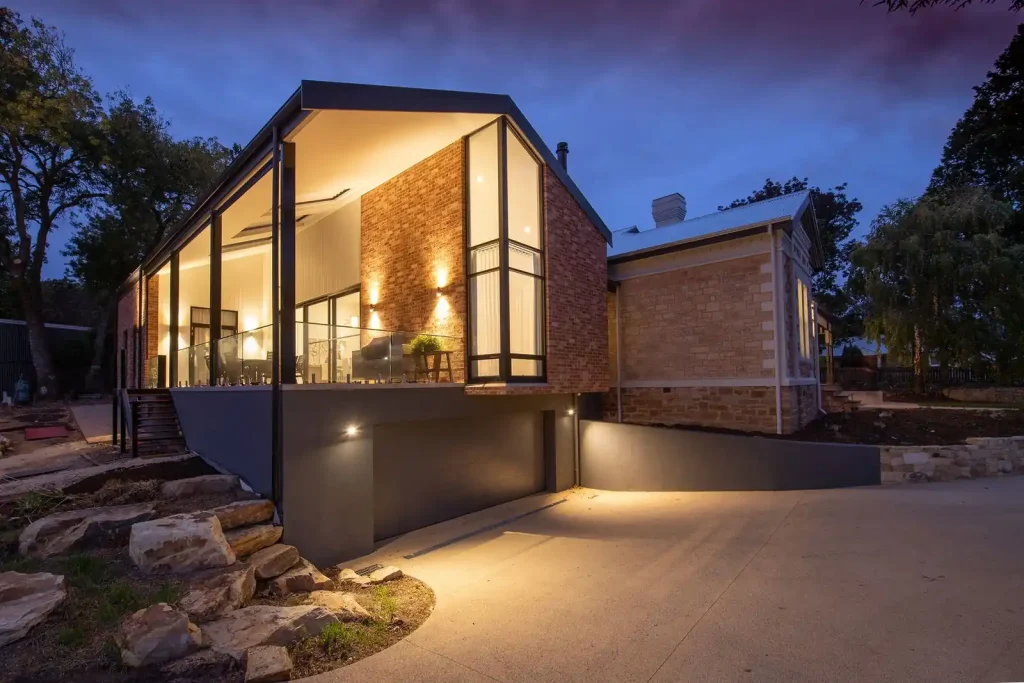

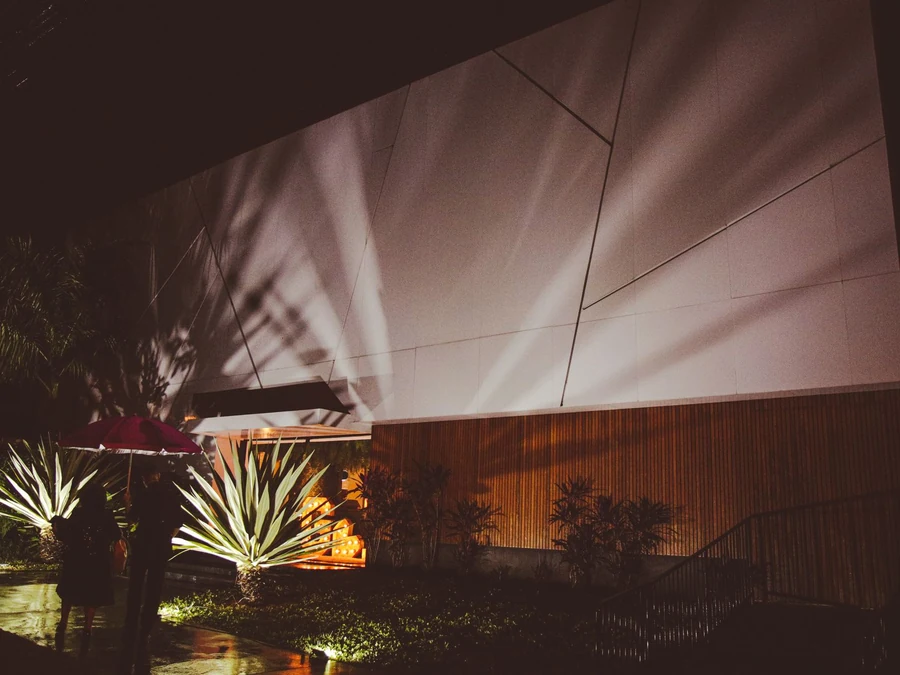
Some parts of the property need practical visibility after sunset. Others only need enough light to reveal a tree, planting bed, stone edge, or architectural feature that disappears at night. Lighting every area at the same brightness usually creates more glare than useful visibility.
Outdoor lighting services can combine pathway lights, garden fixtures, LED accent lighting, controls, and carefully directed beams. Existing systems may also need repair or repositioning when fixtures stop working, plants outgrow old aiming points, or the nighttime view no longer matches the landscape.
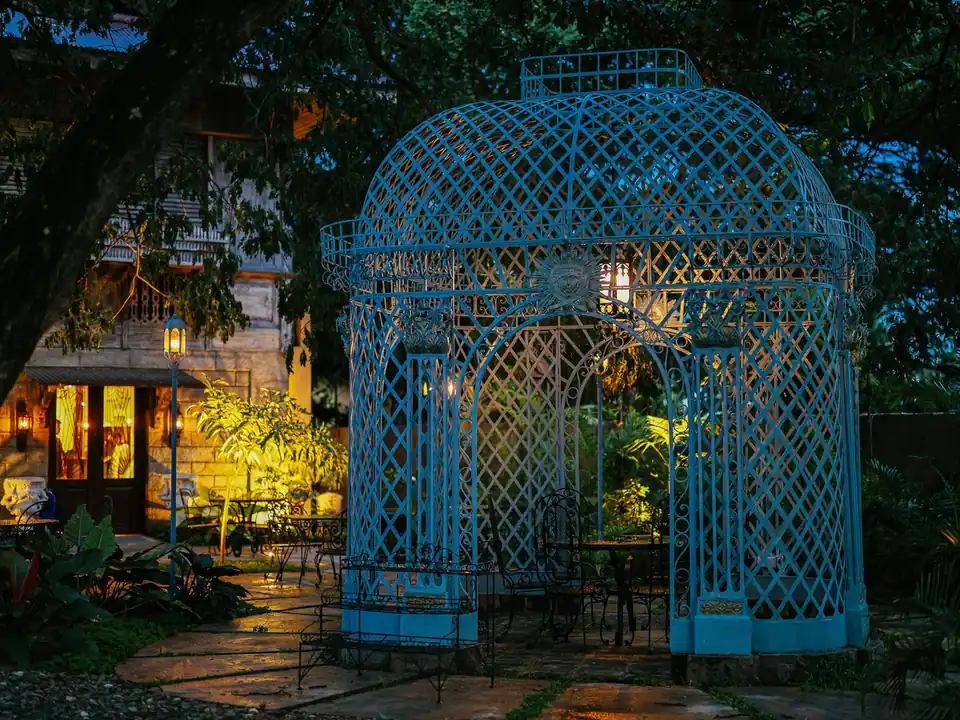
A good nighttime landscape has visual order. Walking routes need dependable visibility, while trees, planting, stone, and other focal points only need enough light to stand apart from the darkness. When everything receives equal brightness, the property loses contrast, and the eye has nowhere specific to settle.
Pathway lighting should make the route easy to follow without turning every foot of lawn beside it into a bright strip or exposing fixtures as the main visual feature.
Steps, raised edges, and transitions between surfaces need stronger visual definition because their shape becomes harder to read once daylight no longer reveals changes in elevation.
The route toward the house should remain readable from the driveway or walkway without requiring every shrub, lawn section, and planting bed nearby to receive the same brightness.
A mature tree becomes a stronger nighttime focal point when selected parts of its trunk, branching structure, or canopy appear from the darkness instead of receiving flat illumination everywhere.
Pathway and garden lighting installation can reveal selected foliage, flowers, and bed edges while leaving enough shadow between plants for the garden to retain depth after sunset.
Walls, boulders, masonry, and textured hardscape change dramatically with beam direction. Light passing across the surface can reveal relief that direct frontal lighting would flatten.
Outdoor seating usually needs less brightness than an entrance or task area. Nearby fixtures should support visibility without becoming the brightest objects people see while relaxing outside.
Not every fence or property line needs continuous lighting. Illuminating selected planting or landscape features can establish depth without outlining the entire boundary like a bright perimeter.
Some darkness belongs in the design. Leaving quieter areas unlit gives accent lighting more definition and prevents the property from becoming one uniformly bright field at night.
A fixture can sit in the right general area and still produce poor results when its beam lands too high, spreads too far, or points into a common viewing position. Landscape lighting service in Palatine, IL should control the light reaching each target before simply increasing fixture count.
A narrow beam isolates a smaller focal point, while broader distribution covers more surface. The size and shape of the intended target should determine how widely the light spreads.
A small aiming adjustment can change what becomes visible, where the beam terminates, and whether a fixture creates glare from a patio, window, path, or other viewing position.
Shielding and careful placement keep more light on the intended surface while limiting unwanted spill toward windows, neighboring areas, open sky, or parts of the landscape that should remain darker.
A tree may look well illuminated from one direction while exposing the fixture from another. Entrances, patios, windows, and walking routes should influence final fixture placement and aiming.
More brightness does not automatically create a better nighttime property. A layered lighting design uses different levels of illumination so important routes stay readable, selected features stand out, and darker areas provide enough contrast to keep the landscape from looking flat.
Lighting Decision
Bright Everywhere
Layered Landscape Lighting
Overall Effect
Uniform Brightness
Defined Visual Hierarchy
Walking Routes
Often Overlit
Light Concentrated Where Needed
Planting
Loses Depth
Light And Shadow Add Dimension
Focal Points
Compete With Everything
Stand Apart From Background
Glare
More Likely
Beam Direction Is Controlled
Dark Areas
Mostly Eliminated
Retained Intentionally
Once the brightest fixture dominates the view, subtler planting, paths, and textures become harder to read. Good exterior landscape lighting gives different areas different jobs instead of asking every fixture to produce maximum output.
Existing systems do not always need complete replacement. A landscape lighting repair service may involve restoring failed sections, changing fixture positions, or updating an older arrangement that no longer fits the surrounding planting. Contact our professional landscaping team when the existing system needs to be evaluated before new fixtures are added.
Fixture locations can be planned during daylight, but the final scene cannot be judged properly until the system is illuminated. Glare, dark gaps, competing brightness, exposed fixtures, and weak focal points become much easier to recognize once natural daylight stops doing the visual work.
First decide which paths, entrances, planting areas, focal points, and transitions should remain visible at night and which sections of the landscape do not need lighting.
Locations are selected around the target, likely viewing angles, plant growth, mowing, landscape edges, and the route needed for wiring and controls.
R and R Landscaping and Design installs LED fixtures and system components around the planned lighting zones instead of scattering lights at equal intervals across the property.
Once the system is illuminated, beams can be adjusted to reduce glare, soften hotspots, strengthen focal points, and fill only the dark gaps that actually interfere with visibility.
The finished landscape lighting service in Palatine, IL is judged as one nighttime view so a single fixture, path, or focal point does not overpower everything around it.
Lighting Design Note: More fixtures and greater brightness do not automatically improve outdoor lighting. Position, aiming, shielding, beam spread, color temperature, and controls all influence how comfortable and useful the finished nighttime scene feels.
Fixture count should follow the areas that need light rather than a fixed spacing formula. Path length, steps, entrances, focal points, beam spread, planting, and desired contrast all influence the number. Using fewer well-positioned fixtures can produce a cleaner nighttime scene than placing lights repeatedly around every landscape edge.
They can when fixtures are placed in rigid pairs or repeated at identical spacing without regard to the path. Pathway lighting should follow turns, elevation changes, planting, and visibility needs. Alternating locations and allowing darker intervals can create a more natural route while still showing where the walkway continues.
Warm white light generally creates a softer residential appearance and reduces the harsh blue-white effect associated with higher color temperatures. Around 2700K is a common night-friendly choice. Color LED landscape lighting serves a different decorative purpose and does not need to replace warm white illumination throughout the entire property.
Poor aiming, excessive brightness, or an exposed fixture can create unwanted spill beyond the intended target. Beam angle, shielding, fixture height, and viewing position should be adjusted so useful light stays concentrated on the path, planting, wall, or feature instead of becoming glare for nearby windows or properties.
Existing systems can often be improved when fixtures stop operating, plants have grown beyond old aiming points, or the lighting pattern no longer fits the property. The appropriate work depends on the system itself and may involve fixture replacement, repositioning, control changes, or adjustments to how individual areas are illuminated.
Permit requirements depend on the electrical work involved. Palatine lists adding or altering an electrical system as permit-required, so the project scope should be confirmed before installation. A simple fixture adjustment and a project that changes electrical components are not necessarily the same type of work.
Daylight reveals nearly everything at once. Landscape lighting creates a selective nighttime view. Look at which paths, trees, textures, beds, and edges remain visible, where shadows create depth, and whether any fixture attracts more attention than the feature it is supposed to illuminate.
Great lighting cannot fix an overgrown bed, empty border, or landscape area that needs physical improvement. Sometimes the strongest nighttime result begins by improving the property the fixtures are intended to reveal.
When overgrown beds, empty borders, or poorly placed planting weaken the nighttime view, beautiful backyard landscaping services improve the landscape receiving the light.
When lighting belongs to a larger plan for patios, gathering areas, and evening use, outdoor living services coordinate the broader outdoor setting.
If lawn, planting, beds, grading, or other areas also need physical work, landscaping services address the property beyond illumination.
The goal is not to make night look like day. Light the routes you need, reveal the trees, planting, and textures worth seeing, control unwanted glare, and let darker areas provide the contrast that makes the property feel intentional after sunset.