
Mon–Fri 7 am–6 pm, Sat 7 am–12 pm, Sun closed
A backyard can look finished and still go unused when there is nowhere comfortable to sit, eat, gather, or stay after dark. Outdoor living services in Palatine, IL connect landscaping, hardscape, lighting, and usable space around how you want to spend time outside.
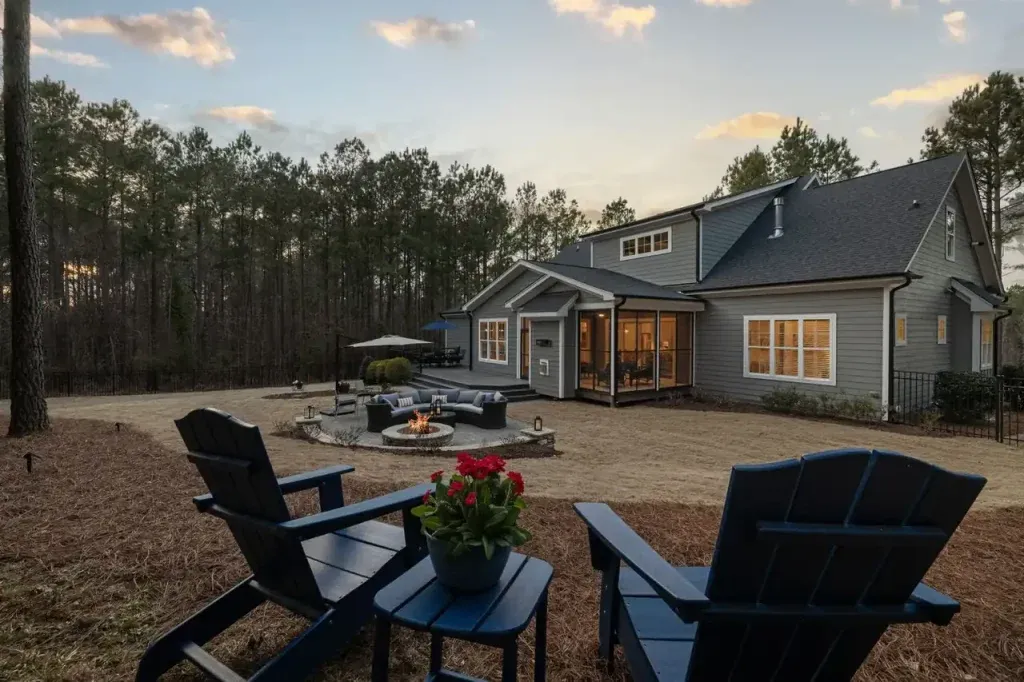
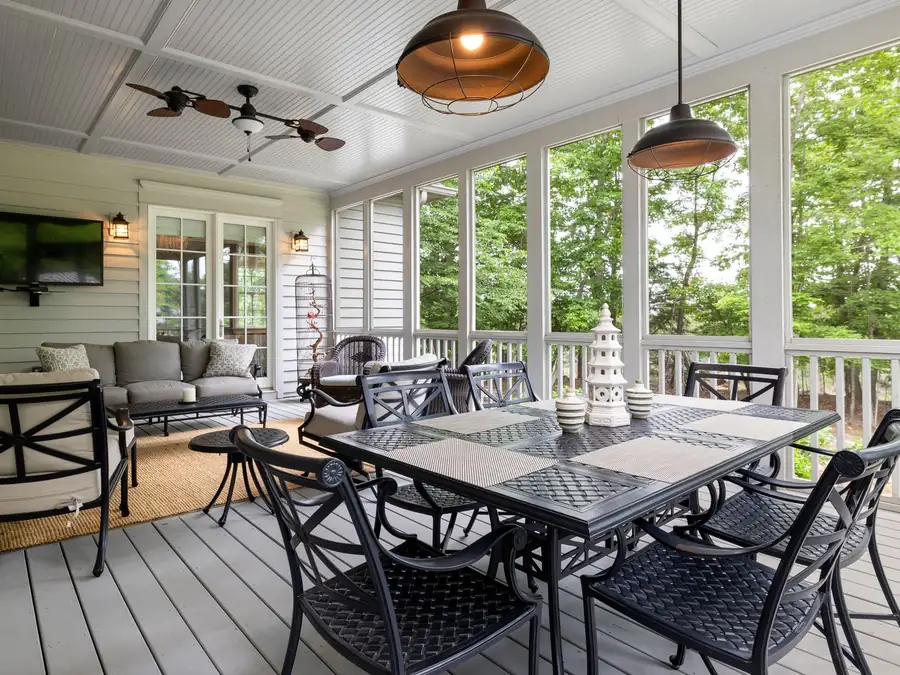
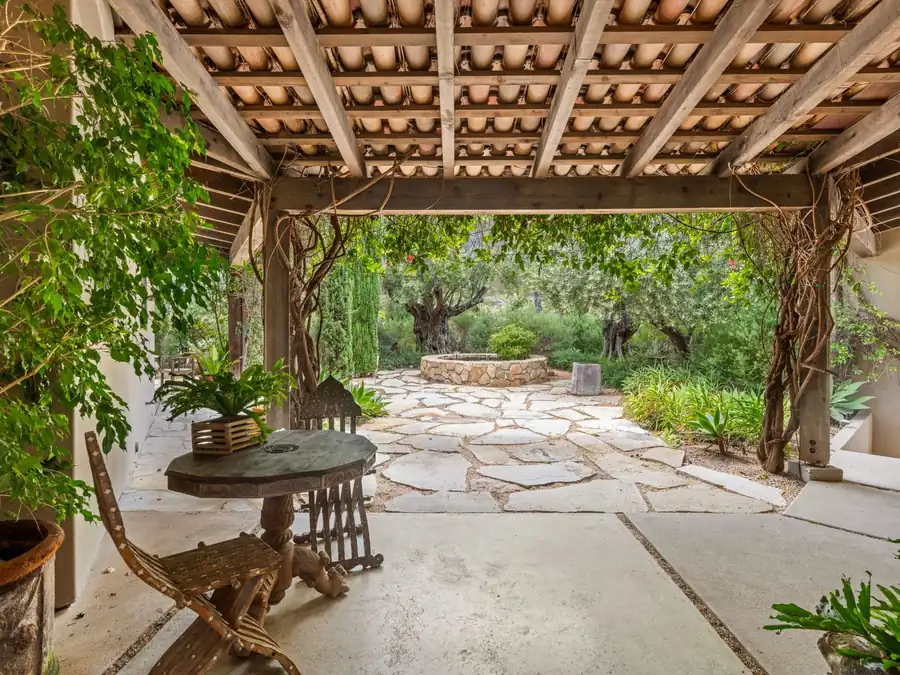
Some homeowners want a comfortable place for dinner and a few friends. Others need better seating, useful lawn, easier access from the house, or enough lighting to stay outside after sunset. Those everyday priorities should come before choosing individual materials or filling the yard with features.
A well-planned outdoor living project can bring patio areas, walkways, planting, lawn, lighting, grading, and drainage together without making every backyard look the same. The goal is simple: create spaces that earn their footprint because they make the property easier and more enjoyable to use.
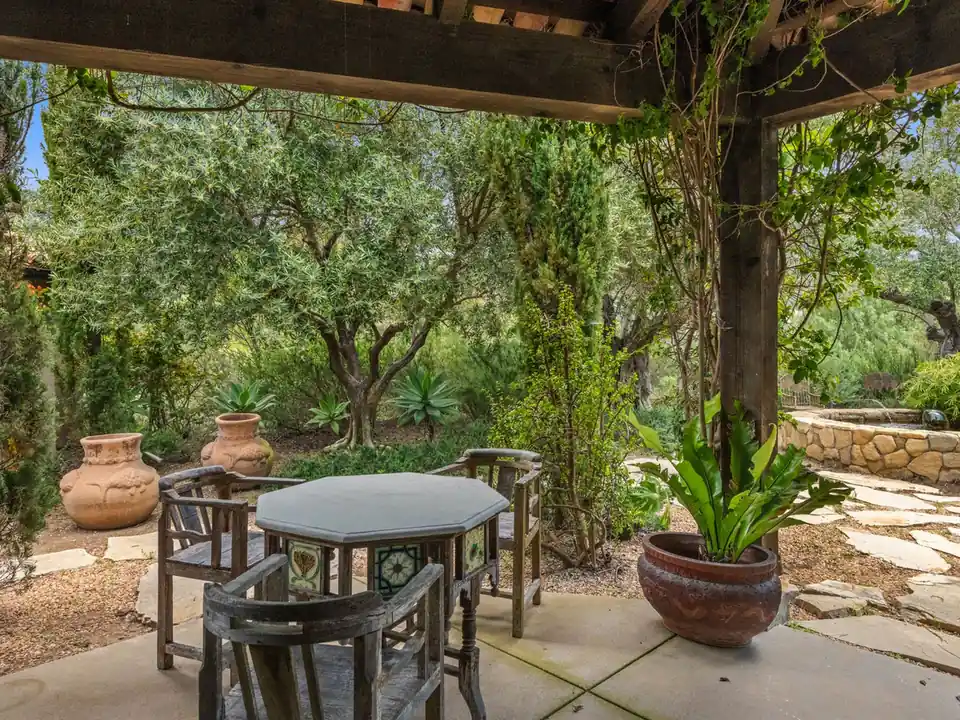
The most useful backyard is not necessarily the one with the most features. It is the one where everyday activities fit comfortably, people can move without squeezing around furniture, and lawn, planting, hardscape, and lighting support one another rather than competing for space.
Outdoor areas get used more often when they are easy to reach. Carrying food, drinks, cushions, or everyday items outside shouldn’t mean crossing half the yard to reach the patio or seating area.
A table can technically fit long before dining feels comfortable. Chairs need room to pull back, people need space to pass behind them, and nearby doors or walkways still need to function.
Not every square foot needs a permanent feature. An open lawn preserves room for children, pets, casual games, temporary seating, and activities that change as the household uses the backyard differently.
Six or eight people occupy more space than the furniture alone suggests. Seating, circulation, conversations, and access between areas all need room once guests are actually using the space.
Shrubs, trees, and beds can frame seating, soften hardscape, and add privacy. Mature plant size matters because today’s open border should not become tomorrow’s blocked walkway or crowded patio edge.
Grills and food preparation work better beside the main circulation route than directly inside it. Guests should be able to move between the house, dining area, and lawn without crossing the cooking space.
A sunny patio may feel inviting during cooler weather but uncomfortable on hot afternoons. Existing trees, house orientation, and future planting influence when different parts of the backyard are pleasant to occupy.
Patio, lawn, planting, and walkways should meet without awkward leftover strips. The spaces between major features often determine whether the backyard feels coordinated or like several unrelated projects placed side by side.
A beautiful seating area loses value when the route to it crosses mud or nearby lawn remains saturated. Grades and drainage should support the spaces people use regularly.
Daylight should not determine when the backyard stops being useful. Lighting works best when it follows the places people actually walk, sit, enter, cook, and gather, rather than making every corner of the property equally bright.
Paths between the house, patio, lawn, and other destinations need enough visibility for comfortable movement after sunset, particularly where surfaces change or the route turns.
Conversation areas usually need softer illumination than entrances or work zones. Leave enough light for drinks, food, and movement without making relaxed seating feel harsh or overlit.
Elevation changes become harder to read in darkness. Lighting near steps, edges, and surface transitions helps people recognize where one level ends and another begins.
When evening use matters, landscape lighting services can coordinate pathways, gathering areas, planting, and selected landscape features rather than treating fixtures as an afterthought.
Outdoor living services in Palatine, IL do not need to turn every backyard into a full-property renovation. One focused improvement may solve the main frustration. A coordinated project becomes worthwhile when several disconnected areas need attention and changing one directly affects the others.
Project Decision
One-Area Upgrade
Coordinated Outdoor Living Project
Main Goal
Fix One Clear Need
Improve Several Connected Uses
Typical Scope
Patio, Lighting Or Planting
Multiple Outdoor Areas
Planning Need
More Focused
Features Need Coordination
Construction Order
Usually Simpler
Sequencing Matters More
Existing Features
Mostly Left Alone
Evaluated As Part Of The Whole
Best Fit
One Main Frustration
Several Backyard Goals
More work is not automatically better. If the existing patio already handles dining comfortably, making it larger just to expand the project may take away useful lawn without improving how the backyard is used. For R and R Landscaping and Design, a broader outdoor renovation makes sense when coordinating several improvements creates a noticeably more useful property than treating each area as an isolated project.
Start with what you actually want to do outside, then decide what needs construction. Keeping useful features in place often leaves more budget for the areas that currently make the backyard inconvenient, uncomfortable, or hard to enjoy.
Picture an ordinary evening, not a special event. Where would you eat, sit after work, watch children play, let the dog outside, or spend a quiet weekend afternoon?
A useful patio, mature tree, healthy lawn, or established planting doesn’t need replacement just because another part of the backyard is changing. Good planning preserves what already contributes value.
Sometimes the missing piece is obvious. There may be nowhere comfortable to sit, no lighting after sunset, a muddy route across the lawn, little privacy, or several spaces that never connect naturally.
Settle hardscape elevations, grading, drainage routes, walkways, and other lasting improvements before finishes that would otherwise need to be disturbed when the next phase begins.
Our expert landscapers coordinate lawn, planting, lighting, and finishing details around the areas people will actually occupy rather than filling unused corners with features that add little practical value.
Palatine Project Note: Permit requirements depend on the individual improvements included in the project. Patios, certain walks and stairs, pergolas, fences, most regrading, drainage work, and electrical alterations are among the residential projects that can require Village permits.
The scope can include patio areas, walkways, lawn, planting, landscape lighting, grading, drainage, and restoration depending on the existing property and how you want to use it. Some projects only need one or two focused improvements, while larger backyard renovation services coordinate several connected areas.
No. A phased project often makes more sense, especially when useful areas already exist. The key is to anticipate future drainage, grade, hardscape elevations, lighting routes, and circulation before completing work that would be expensive to reopen or relocate in a later phase.
Keep as much lawn as it still serves a purpose. Families may want turf for children, pets, games, flexible seating, or visual openness between built areas. Where large lawn sections get little use, planting or hardscape can sometimes add more without losing the backyard’s open character.
Early planning gives more flexibility for fixture positions, wire routes, controls, and the areas that need illumination. Even when fixtures are installed later, knowing which paths, steps, seating zones, and landscape features need light helps prevent completed hardscape or planting from limiting those choices.
Yes. In many cases, you should handle them before new outdoor areas lock poor elevations into place. Runoff crossing a future patio, a soggy lawn beside seating, or drainage along a walkway is easier to correct before hardscape, planting, lawn, and lighting are completed.
Permit requirements depend on what the project includes. Patios, certain walks and stairs, pergolas, fences, most regrading, drainage work, and electrical alterations can require permits in Palatine. Review the project’s components before construction begins, rather than treating the backyard as a single permit category.
Look beyond each feature by itself. Notice where people enter the yard, how furniture fits once occupied, whether the lawn still serves a purpose, how planting frames usable areas, and what keeps paths, steps, and gathering spaces comfortable after sunset.
The scope of outdoor living services in Palatine, IL changes with the property. Some backyards need a clearer plan before construction, others need permanent built features, and some gain more from improving the lawn, planting, and landscape around existing hardscape.
When several ideas compete for the same space, landscape design services organize circulation, planting, lawn, and built features before construction decisions become permanent.
If patios, walkways, walls, or other permanent surfaces are missing, hardscaping services address the constructed parts of the outdoor space.
When lawn, planting, bed layout, and softer landscape areas need the most attention, backyard landscaping services focus the project around those parts of the property.
Morning coffee, dinner outside, a few friends over, or a comfortable spot to sit after work shouldn’t require a special occasion. Build the parts of the backyard that support how you want to spend time there, and leave out the features you are unlikely to use.